A Smarter Way to Free Up Space at Home
For many UAE families, the start of a new school year brings more than fresh routines and packed calendars. It also brings a familiar problem: where is everything going to go?
New school uniforms, sports equipment, books and projects quickly find their way into homes that may already be struggling for space. Meanwhile, last summer’s toys, seasonal decorations and furniture that is only used occasionally remain tucked away in cupboards, spare rooms and storage areas.
The result is a home that can begin to feel increasingly crowded.
That is helping to drive interest in managed storage, a service designed to take much of the work out of storing belongings while allowing customers to keep access and control over what they own.
What is managed storage?
Traditional self-storage is relatively straightforward. Customers rent a storage unit, transport their belongings there, fill the space and organise everything themselves. That can work well for people who want direct access to a dedicated unit, but it also leaves much of the work with the customer.
Managed storage takes a different approach.
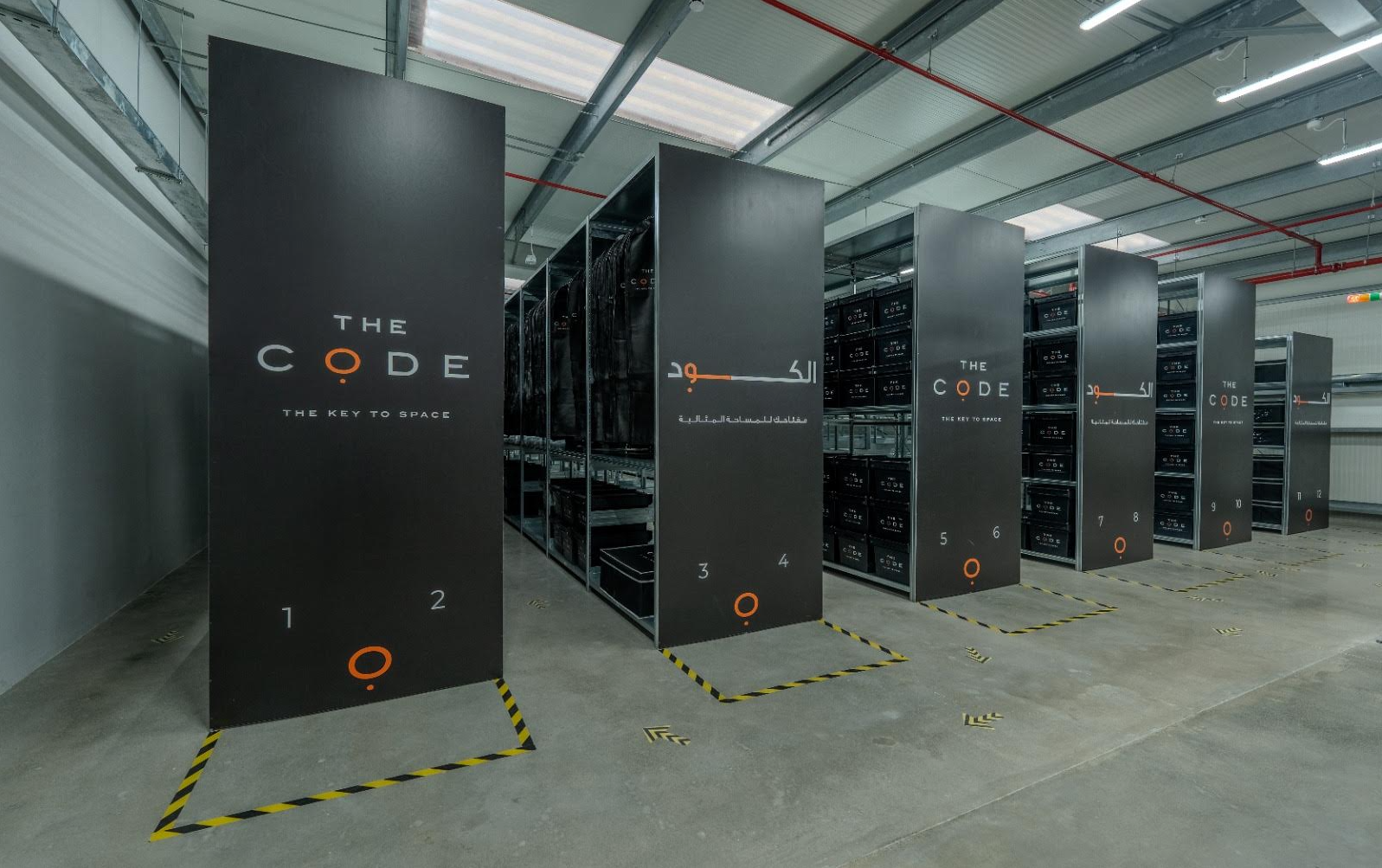
Instead of asking customers to transport boxes and furniture themselves, a managed storage provider collects items directly from the property. Those belongings can then be photographed, catalogued and stored professionally, allowing customers to keep a digital record of what they have put away.
For households already short on time, that difference can be significant. Rather than spending a weekend loading a car, driving to a storage facility and trying to remember which box contains what, the storage process is handled as a service.
Why UAE families are looking for more flexible storage
Space comes at a premium in many homes, particularly as families grow and belongings accumulate. The problem is not necessarily that people want to get rid of their possessions. Quite often, they simply do not need everything within reach every day.
A child’s old school uniform may still be useful for a younger sibling. Sports equipment might only be needed during a particular season. Decorations may spend most of the year in a cupboard. Furniture could be needed again after a house move or renovation. Storage services can provide a practical way to keep these belongings out of the home until they are needed.
Throwing these items away is not always the answer. Keeping them at home, however, can mean sacrificing valuable living space.
This is where managed storage offers a middle ground: belongings can be moved out of the home without being permanently given up.

Managed storage vs traditional self-storage
The biggest difference is the amount of work involved. With traditional self-storage, the customer generally has to pack, transport and organise their own belongings. They are also responsible for remembering where everything is inside the unit.
Managed storage is built around convenience.
With The Code, a technology-powered managed storage service operating in the UAE, items are collected from the customer’s door and professionally photographed and catalogued before being placed into secure, climate-controlled facilities. The stored items are then recorded in The Code app, giving customers a digital view of what they have in storage.
That means storage does not have to become a mystery box of possessions forgotten at the back of a unit.
Paying for what you actually store
Another difference is how storage is charged.
Rather than renting an entire storage unit regardless of how much space is actually being used, The Code says customers pay for individual items, with prices starting from AED 20 per item per month.
For families with a relatively small number of items to store, this offers a different way of thinking about storage costs.
Instead of asking, “How big a unit do I need?”, the question becomes, “Which items do I actually need to put away?” That can make storage a more targeted solution rather than simply renting more space than is necessary.
Storage without losing control
One of the potential drawbacks of putting belongings into storage is the feeling that they have disappeared from everyday life, but managed storage attempts to solve that through technology.
Because items stored with The Code are photographed and catalogued, customers can see what they have stored through the app. When something is needed again, it can be requested rather than requiring a trip to a storage facility.
The Code says items can be delivered back within 24 hours, whether that means retrieving a box of clothes or bringing back a piece of furniture. For families, that could make a difference between storage being a permanent inconvenience and simply becoming another service they use when needed.
A practical solution for the back-to-school squeeze
The timing is particularly relevant as UAE households settle into the new academic year. Outgrown uniforms, old toys and seasonal belongings can all be moved out of the way, creating room for the things that need to be used now.
The Code is offering UAE families up to 15% off bookings made before 30 September 2026 as part of its back-to-school promotion.
Alexander Stuart, CEO of The Code, said the service was created in response to people losing both space in their homes and time dealing with storage. The company’s approach is based on a simple proposition: belongings do not necessarily need to be discarded just because there is no room for them at home.

Is managed storage the future of self-storage?
The traditional storage model is unlikely to disappear overnight. For some customers, having a dedicated unit and direct access to their belongings will remain important.
But managed storage reflects a wider shift towards services designed to remove the practical work from everyday tasks.
The appeal is particularly clear for people who value convenience. Collection, cataloguing, storage and retrieval are brought together rather than leaving customers to manage each stage themselves.
For UAE families facing the annual September battle for cupboard and floor space, that could make managed storage an increasingly attractive alternative.
The idea is not really about putting things away and forgetting about them.
It is about getting those things out of the way – while still knowing exactly where they are and being able to get them back fast when they are needed.