Is Britain Really Too Cloudy for Solar Panels?
The biggest of Solar panel myths – Britain is simply too cloudy for rooftop solar has been around for years, but it is gradually losing ground. A 2026 consumer survey found that just 2% of people now believe there is “no point” having solar in the UK, compared with 9.6% in 2025. Separate YouGov research found that 62% of adults believed panels were effective at generating energy, although around a third remained unsure or unconvinced.
For homeowners considering solar, the bigger concerns now appear to be cost and confidence in the installation itself. Solar specialists at Recharge Renewable reviewed current consumer research alongside independent guidance on costs, output and installation to examine some of the most persistent Solar Panel Myths.
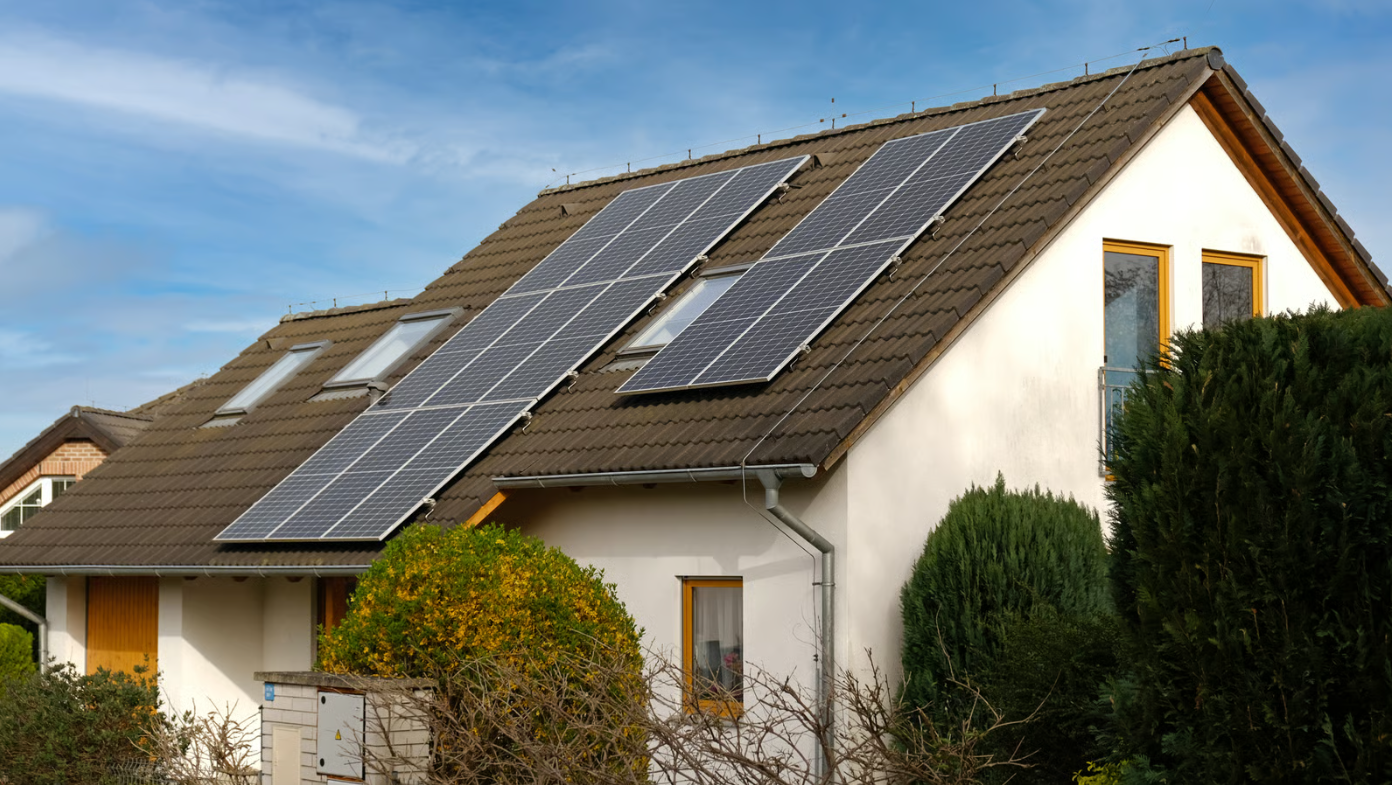
Cloudy weather remains one of the biggest misconceptions. Solar PV works with light rather than heat, so panels continue generating electricity on overcast days. Cloud, shorter winter days and weaker light will reduce output, but a grey sky does not mean a solar system suddenly stops producing electricity.
This sits alongside rapid growth in home renewable technology. MCS reported that UK homes installed a certified small-scale renewable system at a rate of one every 90 seconds during 2025, an increase of 34% on the previous year.
Solar Panel Myths Versus The Reality Of Your Property
National averages only tell part of the story. Whether solar works financially and practically depends on the individual property. A proper assessment should consider location, roof direction and pitch, shading from trees and chimneys, usable roof space and when the household actually consumes electricity.
A solar specialist at Recharge Renewable explained: “Solar PV uses light rather than heat, so a grey day does not mean generation stops. A cool, bright day can still be productive, but no installer should pretend cloud and winter make no difference.”
Cost is another area surrounded by Solar Panel Myths. Current independent guidance puts a typical system at around £6,100, with payback commonly estimated at around 10 to 12 years and potentially as little as nine years in favourable circumstances. Actual performance will depend on the property, system size, household electricity use and export payments.
Panels are not completely maintenance-free either. Current guidance suggests a solar system can last around 25 years with appropriate care, while the inverter will commonly need replacing after around 10 to 12 years. A typical inverter replacement can cost roughly £800, depending on the manufacturer and size of the system.
10 Common Solar Panel Myths And Misconceptions
Some claims about solar contain an element of truth but become misleading when applied to every home. The review identified ten recurring misconceptions:
- The electricity generated can never repay the purchase and installation cost.
- A solar system is permanently tied to one property and can never be relocated.
- Fitting panels will inevitably damage the roof.
- Solar is only worthwhile when spare electricity is sold to the grid.
- Panels need uninterrupted direct sunshine to produce electricity.
- Adding solar automatically increases buildings insurance premiums.
- Solar electricity cannot be used after dark, so all night-time power must come from the grid.
- Panels become obsolete before homeowners recover their investment.
- Only a due-south roof can produce worthwhile results.
- A household solar system is too difficult to install or manage.
A correctly installed system should not damage a sound roof, although poor workmanship or an unsuitable roof can cause problems. Independent guidance recommends choosing an MCS-certified installer and obtaining at least three quotes, while a standard installation will usually take one or two days.
Getting Past The Solar Panel Myths
Trust in the installation industry remains an issue. In YouGov research, 61% of adults expressed concerns about the reliability of solar installation offers and quotes, while 36% said dependable independent advice would make them more likely to consider panels.
Selling surplus electricity through the Smart Export Guarantee can improve the financial return, but exporting electricity is not the only benefit. Power used directly in the home reduces the amount bought from the grid, while battery storage can save daytime generation for use later.
The question, then, is not simply whether solar “works in Britain”. It does. The more useful question is whether it works for a particular house, roof and household. Getting beyond the Solar Panel Myths means looking at realistic annual generation, installation quality, electricity use and long-term costs rather than judging a system by a perfect summer day – or a typically grey British one.