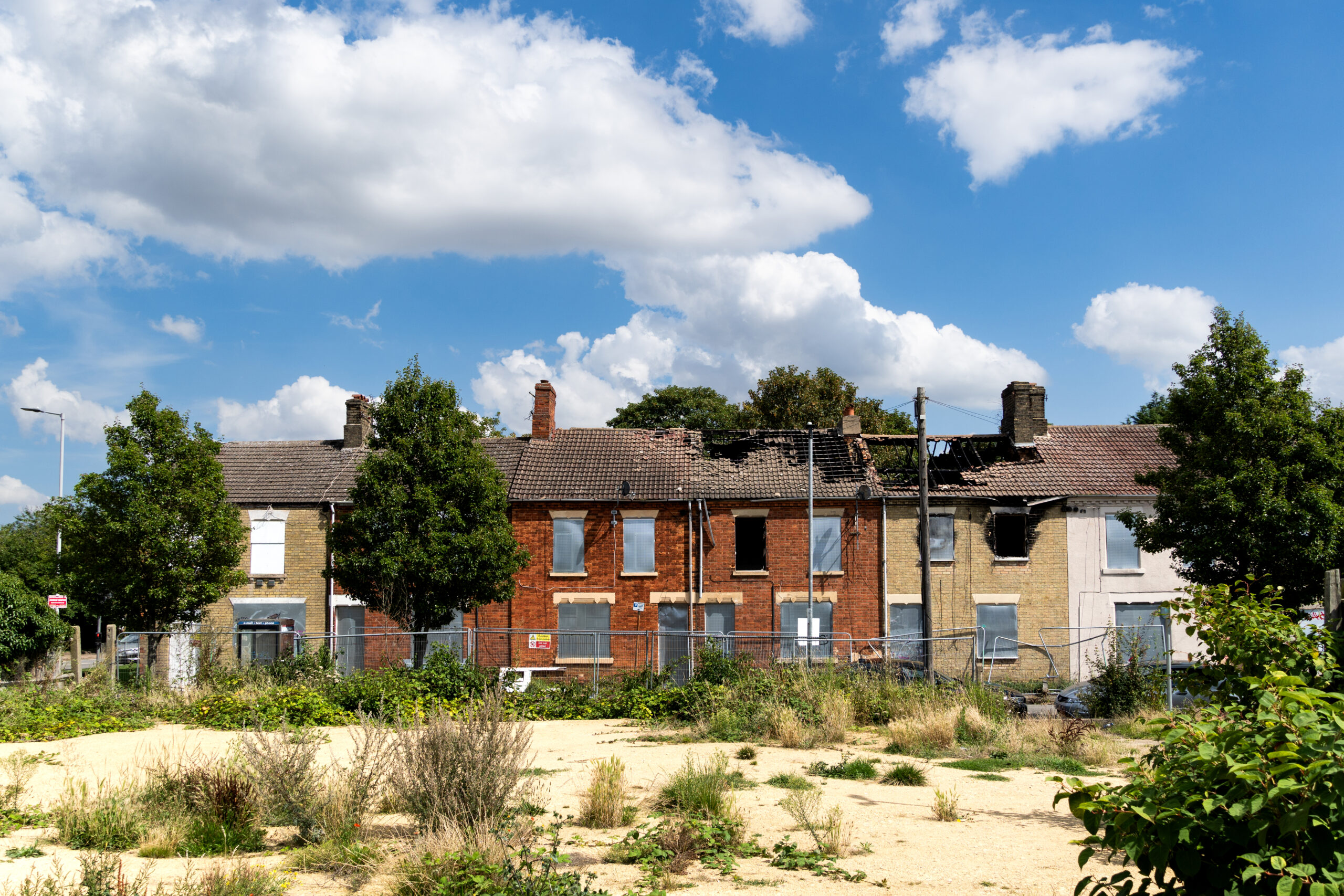
How Much Do Derelict Property Prices Vary Across Britain?
Derelict property prices do vary considerably, with buyers facing typical asking prices ranging from £67,500 to £237,500 depending on location. New analysis from LandSale highlights the significant differences in the cost of taking on a derelict property, as well as the potential opportunities available to buyers prepared to tackle a major renovation project.
LandSale analysed its current derelict property listings to establish how much buyers can expect to pay across different parts of Britain. The analysis found that the typical asking price for a derelict property across Britain is £122,500, with properties sitting on an average plot of 6.26 acres.
However, the national figure masks some striking regional differences.
Where Are Derelict Property Prices Highest?
The South East currently has the highest typical asking price for a derelict property, at £237,500.
Interestingly, properties in the region come with an average plot size of just 1.42 acres, suggesting that location is playing a significant role in the price buyers are being asked to pay.
The North West has the second-highest typical asking price, at £213,750. However, buyers looking in this region receive considerably more land on average, with derelict properties offering around 10.37 acres.
The East Midlands also sits above the national average, with a typical asking price of £200,000.
Meanwhile, derelict properties in Wales have a typical asking price of £195,000, followed by Yorkshire and the Humber at £150,000.
The figures demonstrate that buyers cannot rely on the condition of a property alone when assessing its value. Location, land and the potential of the wider site can all have a significant influence on the asking price.
Where Can Buyers Find the Cheapest Derelict Properties?
For buyers searching for a more affordable renovation opportunity, the picture changes considerably.
The South West has the lowest typical derelict property asking price in the analysis, at £67,500, while Scotland follows at £75,000.
That means the difference between the highest and lowest regional figures is £170,000, underlining just how much location can influence the cost of acquiring a property in need of substantial work.
Lower asking prices may make these regions attractive to renovators and developers, although the purchase price is only the beginning of the financial commitment.
Structural repairs, planning applications, utilities, materials and labour can all add significantly to the final cost of bringing a derelict building back into use.
Could Derelict Properties Help Create More Homes?
The findings come as Britain continues to face pressure to increase housing supply.
While new-build developments remain central to efforts to provide additional homes, making better use of existing buildings could also form part of the solution. Previous research has highlighted the scale of empty housing across England, while derelict properties represent another potential source of accommodation if they can be viably restored or redeveloped.
For some buyers, a derelict property could provide the opportunity to create a home in a location where purchasing a conventional property may be considerably more expensive.
However, buyers need to establish whether a building can actually be renovated or redeveloped before committing to a purchase. Planning restrictions, structural condition, access, services and the property’s history can all affect what is possible.
What Should Buyers Consider Before Purchasing?
Adam Morris, founder of LandSale, believes derelict properties can offer genuine opportunities, but says buyers need to look beyond the initial asking price.
“Paying close to £240,000 for what may essentially amount to a derelict shell or, in some cases, little more than a pile of bricks and a plot of land, certainly demonstrates just how valuable property opportunities remain in parts of Britain,” he said.
Morris added that the attraction can extend beyond the building itself, with buyers potentially gaining access to land in desirable locations and the opportunity to create a property suited to their own requirements.
Nevertheless, anyone considering a derelict property should approach the purchase with careful due diligence. A seemingly inexpensive property can quickly become an expensive project if significant structural or planning issues emerge.
Derelict Property Prices Show a Market Full of Opportunity
The latest figures provide a clear illustration of the wide range of derelict property prices across Britain.
From £67,500 in the South West to £237,500 in the South East, there are opportunities at very different price points. For buyers with the finances, expertise and appetite for renovation, these properties could offer an alternative route into the housing market.
But the cheapest asking price does not necessarily represent the best value. Understanding the land included, planning potential, renovation costs and location will be crucial for anyone looking to turn a neglected property into a viable home.
LandSale’s analysis is based on derelict property listings sourced on 1 September 2026.
Derelict Property Prices Aren’t The Only Concern..
Thinking of taking on a derelict property? Before starting work, it’s important to understand the problems that could be hiding beneath the surface. From damp and rot to structural issues, renovation projects can quickly become more complicated – and expensive – than expected.
Skill Builder offers practical advice for homeowners, renovators and tradespeople tackling building and renovation projects.
Here are three useful guides to explore:
🔨 The Damp Proofing Mistake That Makes Old Houses Worse
Find out how damp can develop in older properties and why identifying the underlying cause is essential before carrying out costly remedial work.
🧱 Cracked Extension Wall? Here’s What It’s Really Telling You
Renovation work can uncover problems that were previously hidden. This guide looks at what a newly discovered crack could mean and when further investigation may be needed.
🏚️ Step-by-Step Basement Renovation: No More Damp, No More Rot!
A useful look at the realities of renovating a neglected space, including damp, rot, flooring, insulation and waterproofing.