Are Your Autumn Habits Costing You Money?
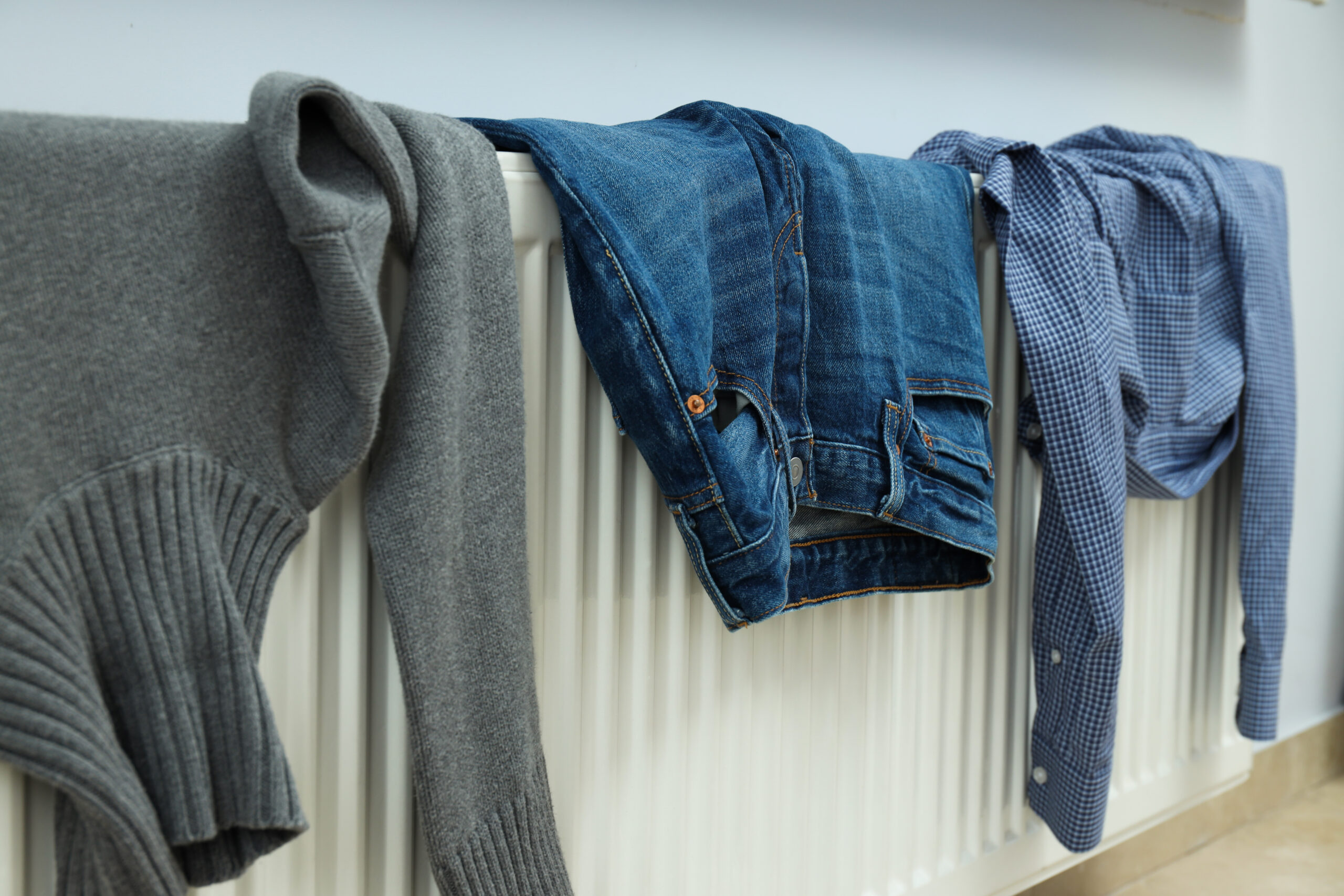
As temperatures begin to fall, households may be tempted to use their radiators as a quick way to dry wet laundry. However, drying clothes on radiators could make a heating system work harder, increase indoor moisture and contribute to condensation and mould, according to plumbing advice.
The autumn habit may appear convenient, particularly when outdoor drying becomes more difficult, but covering a radiator with damp clothing can prevent heat from circulating effectively around the room.
At the same time, the water contained in wet clothes is released into the indoor air, potentially increasing humidity.
Why drying clothes on radiators can affect heating
A radiator works by transferring heat into the surrounding room. Placing damp clothes directly over it can restrict the amount of heat escaping into the air.
Jordan Chance, a plumber at PlumbNation, previously advised households to avoid using radiators to dry clothes.
“We would recommend that you stop using your radiators to dry your clothes,” Chance said, explaining that clothes placed over radiators can prevent heat from escaping and heating the room.
According to the advice, this means the boiler may need to work harder to reach the temperature set on the thermostat, potentially increasing heating costs.
With energy bills remaining an important household concern, making sure radiators can distribute heat freely is one simple way of avoiding unnecessary obstruction.
Wet clothes can increase moisture indoors
The problem with drying laundry indoors isn’t only about heating efficiency.As wet clothing dries, water evaporates into the surrounding air. In a room with limited ventilation, this can cause humidity levels to rise.
Chance also warned that increased moisture in the air can create condensation, which can contribute to damp and mould problems.This is particularly relevant during autumn and winter, when windows and doors are more likely to remain closed and households spend more time with the heating switched on.
Condensation can be an early warning sign
Water collecting on windows can indicate that there is too much moisture in the indoor air.
Epping Forest District Council’s guidance on damp and mould advises residents not to dry clothes directly on radiators. Where laundry needs to be dried indoors, the council recommends using an airer in the bathroom, keeping the door closed and leaving the extractor fan running.
This helps contain moisture in one area while ventilation removes it from the room.The council also advises wiping condensation from windows and frames and improving ventilation to prevent moisture from repeatedly building up.
For more advice, see Skill Builder’s guide How to get rid of condensation.
Radiator covers can also restrict heat
It’s not only wet laundry that can interfere with a radiator’s performance.
Radiator covers can also prevent warm air from circulating effectively, particularly where the design includes a solid top or materials that do not conduct heat well.
The earlier plumbing advice cautioned against covers that restrict the movement of warm air into the room.
Households using radiator covers should therefore make sure there is still a clear route for heat to escape rather than assuming the radiator will perform exactly as it would when uncovered.
Why is my radiator cold at the top?
Uneven heating can also indicate that a radiator needs attention.
If a radiator feels warm towards the bottom but remains cold at the top, the earlier guidance said this can indicate that air has become trapped inside the system.
In this situation, the solution may be to bleed the radiator, rather than simply increasing the thermostat.
A radiator that isn’t heating evenly may therefore be showing a separate efficiency issue that is worth investigating before turning the heating up further.
UK searches for radiators are rising
The warning comes as interest in radiators increases ahead of the colder months.
New analysis of UK Google search data by data experts at Digital PR Services found that searches for “radiator”increased by 9.9% compared with the same period last year.
The comparison covered 14 August to 12 September 2026 against the same period in 2025.
Digital PR Services provided the analysis behind the figures.
The increase suggests that radiators are once again becoming a focus for households preparing their homes for cooler weather, making it particularly important to consider how everyday habits could affect their performance.
How to dry clothes indoors without increasing moisture
When outdoor drying isn’t practical, households can take steps to keep moisture under control.
Rather than drying clothes on radiators, consider using an airer in a well-ventilated room. A bathroom can be particularly suitable if the door is kept closed and an extractor fan is running.
Other useful measures include:
- -Keep wet clothes away from radiators where possible.
- -Use an airer rather than placing laundry directly on heating appliances.
- -Keep extractor fans running when drying clothes in bathrooms.
- -Open windows when appropriate to improve ventilation.
- -Wipe condensation from windows and frames.
- -Make sure radiators aren’t blocked by furniture or heavy covers.
- -Check that radiators heat evenly from top to bottom.
These steps can help reduce the amount of moisture spreading through the home while allowing radiators to distribute heat more effectively.
Check your radiators before turning the heating up
As autumn progresses, it can be tempting to simply increase the thermostat when a room feels cold. However, checking the basics first could help identify problems affecting heating efficiency.
Remove clothes and furniture blocking radiators, check that any radiator covers allow heat to circulate and pay attention to areas that don’t appear to be warming evenly.
For households drying laundry indoors, keeping moisture contained and properly ventilated can also help reduce condensation.
A simple change in where wet clothes are dried could therefore help households avoid adding unnecessary moisture to the air while allowing their heating system to work as intended.