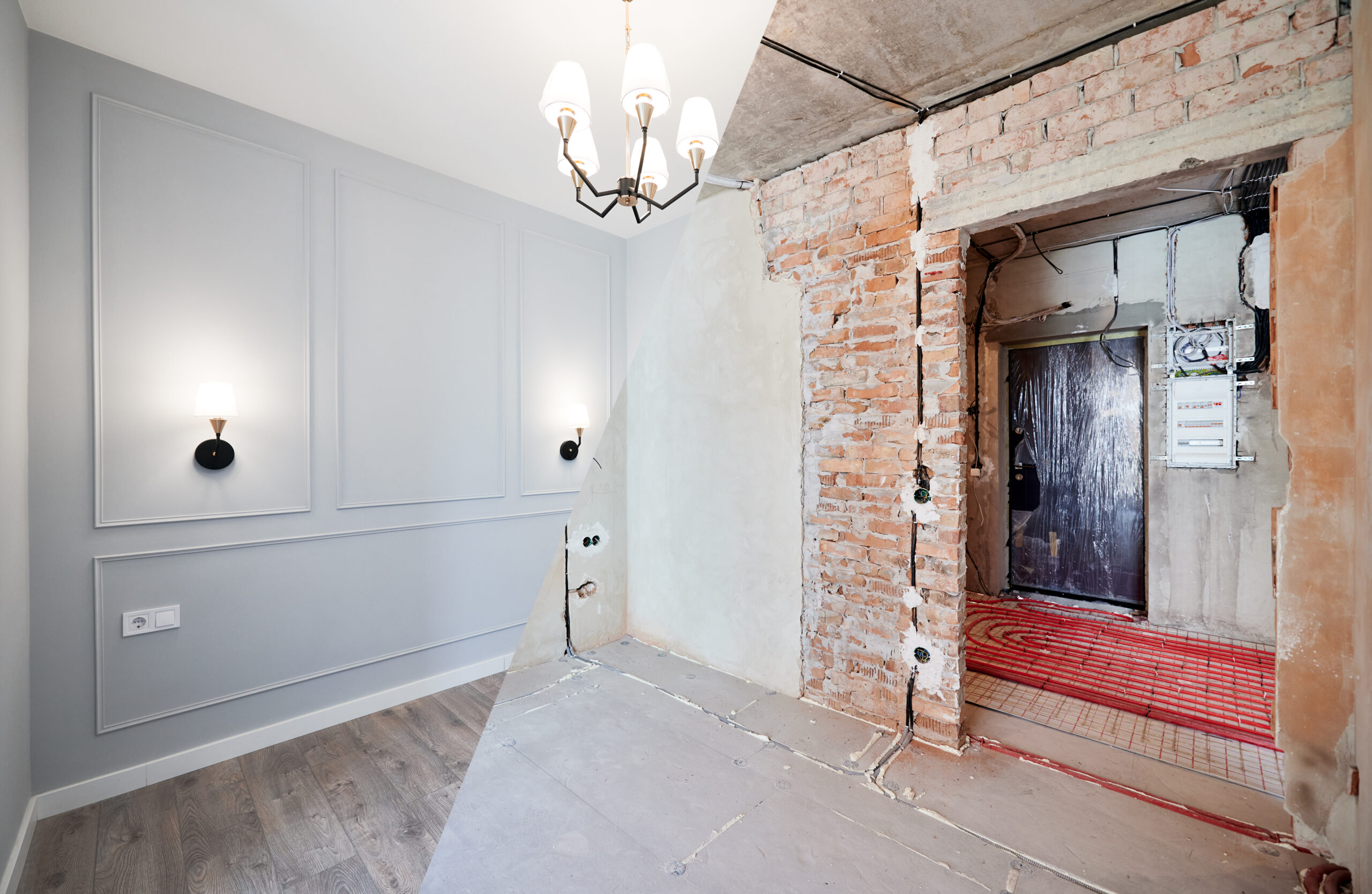
Older homes can be made warmer, more comfortable and cheaper to run without losing the period features that give them character. A Victorian terrace in south-east London demonstrates how a carefully planned house retrofit can improve energy efficiency by combining insulation, ventilation and modern heating rather than relying on a single upgrade.
Search data analysed by the data experts at Digital PR Services found that searches for “what is a retrofit” were rising alongside interest in “house retrofit”, which increased by 150%. The trend suggests that more homeowners are researching how to improve their properties before committing to major renovation work.
With household energy costs continuing to put pressure on budgets, understanding which improvements deliver the greatest benefits is becoming increasingly important.
What Does a House Retrofit Involve?
A house retrofit involves upgrading an existing property to improve its energy efficiency, comfort and overall performance. Depending on the building, this can include insulating walls and roofs, reducing draughts, improving ventilation and installing a more efficient heating system.
For older homes, the challenge is balancing these improvements with the features that make the property distinctive. Original sash windows, exposed brickwork, wooden floors and decorative cornicing can all be worth preserving, but they may also present practical challenges when planning energy-efficiency upgrades.
Emma Bushell, energy and carbon manager for the City of London Corporation, took this approach when improving her Victorian terrace in Lewisham. Rather than simply replacing an unreliable boiler, she brought in a retrofit architect to help plan a more comprehensive renovation.
“My boiler was flaky and I knew that if I simply put in a new one, I’d never live it down,” she said.
Her experience working on heating upgrades in social housing had shown her that replacing one appliance would not necessarily address the underlying problems.
Why Insulation Matters Before Installing a Heat Pump
One of the main lessons from the project is that heating improvements should be considered alongside the building fabric.
An air source heat pump extracts heat from the outside air and transfers it into the home. Unlike a conventional gas boiler, it generally operates most efficiently when supplying water at lower temperatures. This means insulation, heat loss and radiator sizing can all affect how well the system performs.
Bushell’s home already had loft insulation, while additional work included internal woodfibre insulation to preserve the brick facade and external insulation at the rear. Improvements were also made to the floors.
This whole-house approach can help reduce heat loss and make indoor temperatures more consistent. It may also allow a heating system to work more efficiently, although the results depend on the property’s condition, design and how the system is installed and operated.
For homeowners, the practical message is clear: assess the building before choosing new heating equipment. Otherwise, money spent on a heat pump could be less effective if significant heat loss remains unaddressed.
Ventilation Is Essential in Older Properties
Insulation is only one part of a successful house retrofit. Making a home more airtight can reduce unwanted draughts, but it also changes how moisture and stale air leave the building.
Without suitable ventilation, everyday activities such as cooking, showering and drying clothes can increase indoor humidity. Over time, excess moisture can contribute to condensation and mould.
Bushell installed continuous mechanical extract ventilation in the kitchen and bathrooms. The system increases extraction when moisture levels rise, helping to manage humidity while retaining the benefits of improved insulation.
Older properties can require particularly careful planning because solid walls, historic materials and existing ventilation arrangements may affect which solutions are suitable. A retrofit assessment can help identify potential problems before insulation or other work begins.
Plan the Work Before Opening Up Walls and Floors
Renovating an older house can reveal opportunities to address several problems at once. Lifting floorboards or opening walls may make it easier to improve insulation and deal with pipework, wiring or other hidden issues.
However, these discoveries can also increase costs. Homeowners should establish which improvements are essential and which could be completed later, ideally with a plan that ensures each stage supports the next.
Before agreeing to a quote, consider the following:
- Arrange a whole-house assessment: Consider insulation, ventilation, windows and heating together.
- Choose appropriate expertise: Older, unusual or traditionally constructed buildings may need a retrofit professional familiar with their specific requirements.
- Agree a realistic budget: Separate essential improvements from optional upgrades and allow for unexpected work.
- Plan equipment locations: Confirm where the heat pump, radiators, hot-water cylinder and ventilation equipment will sit.
- Check installer credentials: Verify the relevant certification, scheme requirements and eligibility for any available funding before signing a contract.
The location of external equipment also deserves attention. In Bushell’s home, the heat pump was positioned behind a tree rather than directly beside the kitchen terrace, with insulated cables routed through a trench. Discussing these details early can help avoid unnecessary disruption later.
What Grants Are Available for a House Retrofit?
Financial support may help make energy-efficiency improvements more affordable. The Boiler Upgrade Scheme in England and Wales offers eligible homeowners a grant towards the installation of an air source or ground source heat pump, subject to the scheme’s current rules.
Under the scheme, the installer applies for the grant and deducts it from the agreed installation cost. Homeowners should check the latest eligibility criteria and equipment requirements before proceeding.
Other funding options may be available depending on household circumstances, property type and the work being undertaken. Requirements can change, so it is worth checking current government guidance and confirming that the proposed installer and improvements meet the relevant standards.
Planning requirements should also be checked for the individual property. Although rules may allow many heat pumps to be installed without a planning application, listed buildings and other properties subject to specific restrictions may require additional advice.
A Staged Retrofit Can Protect Character and Comfort
A successful house retrofit does not necessarily mean transforming every part of a property at once. Bushell’s project developed as work progressed, but the broader lesson is to plan improvements in a sequence that makes technical and financial sense.
A staged approach can help homeowners spread costs, provided each phase is compatible with the eventual heating and ventilation strategy.
The benefits are not limited to energy bills. Bushell reported more even heating, fewer cold spots and improved indoor air quality after the work.
For owners of Victorian terraces and other period properties, that is the real opportunity: to preserve the features that make an older home special while addressing draughts, heat loss and uncomfortable rooms. With a well-considered plan, a house retrofit can bring an ageing property closer to modern expectations without stripping away its character.