Wednesday, February 4, 2026
spot_img
Home Blog Page 77

Untrained Scaffold Worker Left in a Coma

A construction company has been fined after a worker suffered life-changing injuries after falling from scaffolding.

Bristol Magistrates’ Court heard how an employee of R J Scaffolding (Bristol) Limited was in an induced coma for two weeks after falling more than six metres from the scaffolding.

The worker suffered several serious injuries including losing the sight in his right eye and five fractures to the skull.

An investigation by the Health and Safety Executive (HSE) into the incident which occurred on 2 June 2016 found the employee was untrained.

The supervisor was unfamiliar with the current expected safety techniques and the appropriate equipment had not been provided to the worker to conduct this work safely.

R J Scaffolding (Bristol) Limited of Central Business Park, Hengrove, Bristol pleaded guilty to breaching Regulation 2 (1) of the Health and Safety at Work Act 1974.

The company has been fined £26,000.00 and ordered to pay costs of £1657.76.

Speaking after the hearing HSE inspector Ian Whittles said: “We want all workers to go home healthy and safe.

Those in control of work have a responsibility to ensure safe methods of working are used and to inform, instruct and train their workers in their use.

“If the industry recognised safe systems of erecting scaffold had been in place prior to the incident, the life-changing injuries sustained by the employee could have been prevented.”

Further information about safe techniques can be found at:

www.hse.gov.uk

Wickes offering free sunscreen to tradespeople

0

Melanoma skin cancer incidence rates have increased by an alarming 119% in the UK since the early 1990s and according to a recent study, construction has been identified as the industry sector in the UK whose workers are most at risk.

Now, new research by Wickes has revealed some startling statistics and unsettling attitudes to sunburn and skin cancer amongst tradespeople who work outdoors. The research of 500 tradespeople found that many are unaware of the dangers of not protecting their skin and ill-informed on how often sun cream should be applied.

Worryingly, one in ten (9%) admitted that they don’t wear sun cream because they’re worried that their workmates would laugh at them, while 91% of respondents were unaware of how much sun cream was required during a typical 12-hour summer’s day.

Over a quarter (26%) believed that only two applications would suffice, and 15% were convinced they’d only need to apply it once to be protected for the full 12 hours. In fact, it is recommended that sun cream should be applied 30 minutes before being exposed to the sun, and re-applied every two hours thereafter; meaning that sun cream should be applied up to six times during a 12-hour shift.

As a result, Wickes have announced that they will be offering free sun cream to tradespeople as part of a new trial. Available in stores nationwide from 23rd August, members of the trade can pick up a free tub of Brickie’s Bronze (30SPF), Plasterers Pink (30SPF) or Apprentice White (30SPF) while stocks last.

Matthew Gaunt, Head of Brand & Communications at Wickes comments: “It is clear that there’s a real need here and we want to help tradespeople working outdoors get to grips with this issue.”

“We hope that by trialling Wickes Tradesman’s Suncream in our stores, it helps raise awareness of an important issue within the industry, as well as making protection from the sun’s rays more accessible to tradespeople in the UK.”

Around one construction worker every fortnight will get a melanoma caused by sun exposure at work

According to the Institution of Occupational Safety and Health (IOSH), getting burnt just once every two years can triple the risk of melanoma. Over half (52.8%) of tradespeople surveyed admitted to getting burnt at least once every year whilst working, with those based in London by far the worst offenders at almost 1.5 x the national average (72%), and a further 17% experiencing sunburn on the job at least ten times every year.

Dr Lesley Rushton, Department of Epidemiology and Biostatistics, Imperial College London comments: “We have estimated that around one construction worker every fortnight will get a melanoma caused by sun exposure at work.

“Occupational solar exposure is often overlooked but it is so important that tradespeople are well informed about the potential implications of being sunburnt, and that they take the necessary steps to minimise their risk.”

Despite the high levels of sunburn within the industry and the serious potential implications, a surprising number choose not to apply sun cream; 39% of 16-24 year olds don’t apply sun cream because they simply can’t be bothered, and a further 39% also neglect to do so because they’re ‘working on their tan’.

Perhaps most shocking of all, almost one in ten (8%) choose not to apply sun cream because skin cancer ‘doesn’t run in their family’, a claim which shows a concerning lack of awareness surrounding skin cancer in general.

In fact, a person’s chances of inheriting skin cancer are relatively slim and 90% of skin cancers are avoidable. It is estimated that 86% of skin cancers are caused as a direct result of exposure to solar radiation, rising to 90% in men which is particularly relevant in such a male dominated industry.
 
Reasons why tradespeople don’t wear sunscreen
20% don’t have time
15% don’t like getting greasy fingers
11% can’t be bothered
9% worry about being laughed at
6% say it costs too much

Hilti Service Centre – How Can They Repair Your Tools in 3 Days?

0

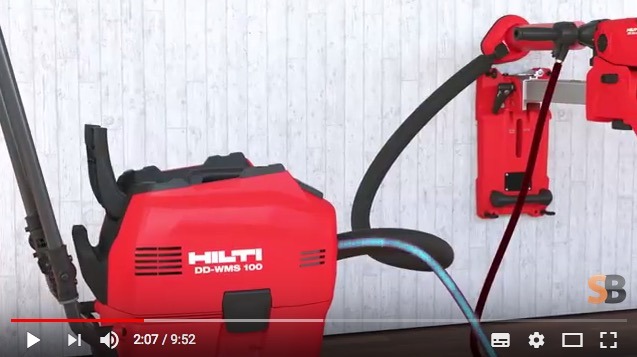
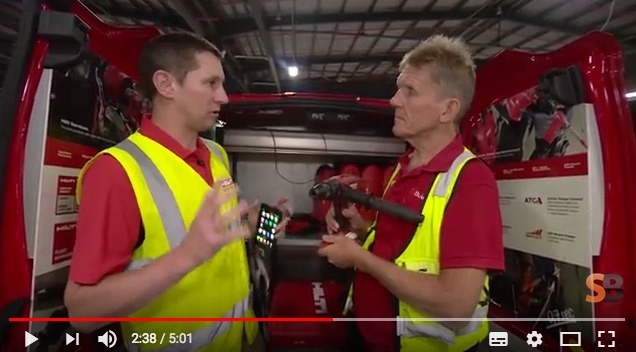
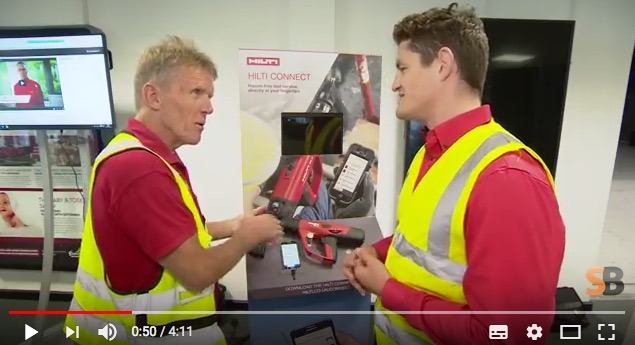
In the first in a series of videos about Hilti, Skill Builder finds out how the brand delivers the industry-leading service offering that makes it such a popular choice on large construction sites.

Hilti Service Centre

Hilti makes great claims for its service and repair; they say they can turn around a repair in three days or you don’t pay for it.

On a new tool, you have two years of servicing included in the cost, even on batteries on cordless tools and if you go for their fleet deals that can be up to four years.

They also cap the price of the service so you’re never paying more than a certain amount.

All this sounds very impressive but can they achieve it and more importantly how do they achieve it?

In this episode, Roger Bisby visits the Hilti Service Centre in Glasgow to find out.

See more Hilti from Skill Builder.

Origin reveals Britain’s ‘forever home’

The ideal ‘forever home’ for the average British homeowner is a four-bedroom, detached house in the country, worth £458,000 – and just down the road from Mum, it has emerged.

A detailed study of 2,000 UK homeowners, carried out by Origin, the British manufacturer of bespoke aluminium bi-folding doors, residential doors and windows, also found that homeowners hanker after a property with a driveway, a play room – and somewhere to hang the washing.

Plenty of natural light was also a must-have for homeowners, with 99 per cent of people saying it was important.  Over half said they wanted big windows, while bi-folding or sliding doors that lead out to the garden were also high on the list of features.

Other must-haves include a large kitchen and breakfast room, an ample lounge, utility room and dining room.

A double garage and conservatory are also essential, as is a study and cloakroom. Ideally, we want to live in a location just 10.5 miles from the office.

[pdf-embedder url=”https://skill-builder.uk/wp-content/uploads/2017/08/Origin-Forever-Home.pdf” title=”Origin – Forever Home”]

Ben Brocklesby, Director at Origin, said: “We wanted to find out more about the concept of the forever home, whether it still exists and what homeowners want most from their properties. This provides our partners with market insights that will help them further understand homeowners, their customers, and what it is that they want from their homes. This will allow them to offer an even more rounded experience when in the showroom.

“We pride ourselves on the gold standard of service that we offer to our partners, providing them with the best possible opportunities to maximise profitability, and this extra knowledge will set them in good stead when dealing with customers every day.

“Interestingly, more than three quarters of people still believe in the concept of a forever home, which shows that the clear majority of homeowners are constantly climbing the property ladder, striving to find a home to live in for the rest of their lives.”

Two bathrooms, two en-suites and two reception rooms are also key components.

Good transport links and a pub within a mile and a half are also vital elements.

While an ambitious one in three even went as far as to suggest their ‘forever home’ would include a swimming pool and sauna.

Over half of people chose the sea as the perfect view from their windows, followed by a countryside view of either rolling hills or a field of cows. Britain’s least chosen view from the home was, perhaps unsurprisingly, a football stadium.

It also emerged that homeowners dream of spending their years in a street where they are surrounded by friendly neighbours, four of whom they are on first name terms with.

A 1,000sq ft garden is the ideal size, according to most Brits.

With regard to amenities, the ideal forever home would have everything residents needed within a three-mile radius. The Post Office, corner shop, newsagents and off-licence are considered the most important to have close by.

While a third of people are actively putting savings aside for their forever home, a third already reside in theirs.

The age at which most believe they will own their forever home emerged as 53, and four out of ten were convinced they would, at some point, purchase their dream pad.

Eighty-four per cent of UK adults are happy with their current home and around eight in ten think it’s likely they will try to improve or renovate the house they own now.

Ben Brocklesby continued “With such a high proportion of homeowners planning to improve or renovate their current house, we have some great practical advice on our website from our experts, looking at everything from how to make the most of a conservatory to styling your front of house – getting homeowners one step closer to creating their forever home.”

THE IDEAL FOREVER HOME:

Is worth £458,000.
Is 10.5 miles from work and has transport links.
Has four friendly neighbours – who we are on first name terms with.

Has the following rooms:

Playroom  x1
Reception rooms x 2
En-suites x 2
Bathrooms x 2
Bedrooms x 4

And has the following features:

Front AND back gardens
Driveway
Off street parking
Patio
Double garage
Flowerbeds
Summer house
Somewhere to hang the washing out
Gates at the front
Veg patch
Open fields
Garden 1000sqft
View of sea view, rolling hills or field of cows

Is this far away from local amenities:

Post office – 1 mile away
Doctors – 1 mile away
Dentist  – 2 miles away
Corner shop – 1 mile away
Supermarket – 2 miles away
Leisure centre – 3 miles away
Newsagent off licence – 1 mile away
Petrol station – 2 miles away
Park – 2 miles away
Playground – 2 miles away
Farm shop – 2 miles away
Pub – 1.5 miles away
School – 2 miles away
Clothes shop – 3 miles away
Library – 2.5 miles away
Cinema – 3 miles away
Restaurant – 2 miles away
Chemist 1.5
Vet – 2.5 miles away

And these are the most desired views:

Sea view – 54 per cent
Garden – 38 per cent
Mountains – 44 per cent
Field of cows – 21 per cent

www.origin-global.com/forever-home

Seven THINGS YOU NEED TO KNOW about Silica Dust

According to the HSE, respirable crystalline silica (RCS), often referred to as Silica Dust, is the second biggest risk to construction workers, following asbestos. Knowledge is power when it comes to staying protected, which is why Skill Builder has joined forces with Scott Safety to create this educational video.

If you, or anyone you know, works with Silica Dust, please make sure you understand the risks and how to stay protected.

7 THINGS YOU NEED TO KNOW if you work with Silica Dust – that could save your life

1. Respirable Crystalline Silica (RCS) is present in materials that construction workers work with every day
Cutting, sanding and even sweeping these materials makes crystalline silica airborne, creating deadly Respirable Crystalline Silica (RCS).

2. Exposure to RCS can kill you quickly
Exposure to too much RCS, in one go, can cause acute silicosis which can rapidly lead to death.

3. Exposure to RCS can kill you slowly
Long term exposure can cause fibrosis of the lung tissue and is linked to lung cancer and Chronic Obstructive Pulmonary Disease (COPD).

4. What you can’t see CAN hurt you
In most light RCS particles are too fine to be seen by the naked eye.

5. It doesn’t take much dust to do damage
Even very small amounts of RCS can do long term damage, particularly over prolonged periods of exposure. The workplace exposure limit is 0.1mg.mg over eight hours.

6. Controlling silica dust at source is a must
Choose tools with decent dust extraction and use methods such as wet cutting and wet sweeping.

7. Any old mask won’t do
An FFP3 disposable mask is usually a minimum requirement and many tasks will require greater protection. You need higher performing devices with APF’s of 20 or 40 and ideally a powered air respirator such as the Duraflow from Scott Safety, especially if you have a beard or heavy stubble which can allow Silica Dust to bypass the mask and reach your lungs.

HSE Issues Advice on Ladder Safety

0

Following a recent fatal accident investigation, HSE is strongly advising all duty holders and users of combination ladders to ensure that they:

  • Carry out pre-use checks
  • Use them in accordance with instructions
  • Check the locking mechanism(s)

Failure to do so could result in serious accidents, said Debbie Flynn, Health & Safety Awareness Officer at the HSE who shared the following advice in an article on Linkedin:

Telescopic Ladder Safety

The use of telescopic ladders is growing more popular due to their ease of storage and convenience; however, there are numerous issues with many of these products due to the number of components involved and their construction. Namely:

  •  They are often rated for a lower load (person, tools and materials)
  •  The stiles are prone to greater bending
  •  They are prone to greater bending of the frame

The issues are likely to increase with the height of the ladder.

The situation is compounded by significant numbers of substandard products that are being made available on the UK market. 

These are often low-cost products that are attractive and are imported from outside the EU.

Ladder Safety Advice

Some of these have been implicated in serious accidents, including fatalities. The relevant European Standard – BS EN 131-6:2015 – provides more information on the design requirements.

Duty holders and users should ensure that:

  • Pre-use checks on the ladders are thorough, checking the components and operation of each and every locking mechanism (often one or two per rung) and the associated release mechanism(s)
  • The ladders are stored well, transported carefully and maintained (including cleaning) as dirt and grit etc. can affect locking mechanisms
  •  They understand the limitations and likely performance of their ladder, e.g. strength, bending etc

Guidance

HSE will be amending its ladder guidance INDG455: Safe use of ladders and stepladders: A brief guide hse.gov.uk/pubns/indg455.pdf to highlight these two issues.

Two companies fined after roof fall death

0

Two Hampshire based companies have been fined after the death of a 42-year old man.

Bournemouth Crown Court heard that on 20 July 2012 the sub-contractor working for Quality 1st Building Services Ltd was undertaking remedial work to a roof at a domestic property in Ringwood, Hampshire when he fell seven metres from the roof to the ground and later died of head injuries.

An investigation by the Health and Safety Executive (HSE) found neither the principal contractor for the site E.P. Abley Ltd nor Quality 1st Building Services Ltd failed to ensure the roof work being undertaken had the correct edge protection to prevent falls from height occurring.

It was also found both companies failed to clearly communicate and co-ordinate the work being undertaken on the site in a safe and appropriate manner.

Quality 1st Building Services Ltd of Northfield Road, Ringwood, Hampshire pleaded guilty to breaching Regulation 4 (1) of the Work at Height Regulations 2015, and has been fined £40,000 and ordered to pay costs of £17,500.

E.P. Abley Ltd of Avon Castle Drive, Ringwood, Hampshire pleaded guilty to breaching Section 3 (1) of the Health and Safety at Work Act 1974.

The company has been fined £26,667 and ordered to pay costs of £22,500.

Speaking after the hearing HSE inspector Caroline Penwill said: “This case highlights the importance of properly planning work at height, to avoid tragic incidents such as this.

“This death could have easily been prevented had both companies taken safety measures before any work at height had begun.”

Checkatrade & Caterpillar Join Forces

0

Checkatrade has announced a partnership with construction giant, Caterpillar to offer members 30% off at products at www.shopcaterpillar.co.uk 

Members already receive a range of benefits including inclusion in the Checkatrde search feature.

To become a member of Checkatrade and join over 25,000 UK tradespeople, potential members must undergo a thorough background check and commit to, and uphold, the ‘Checkatrade Standard’.

The standard outlines the service customers can expect from Checkatrade recommended tradespeople, including being courteous, keeping appointments and being honest in all dealings.

With a commitment to service at the core of its business, Checkatrade says it chooses its partners very carefully, only ever working with those businesses that reflect its own commitment to quality.

Recently announcing its decision to work in partnership with Caterpillar, Checkatrade Founder and CEO, Kevin Byrne comments:

“Caterpillar is a world-renowned company built on strong ethics and is committed to providing the very best for its customers, something we can relate to at Checkatrade.

With its innovative products and solutions, it was an easy decision to work in partnership with them and give our thousands of members discounted access to these great workplace solutions.”

Checkatrade members receive 30% off products at www.shopcaterpillar.co.uk which includes water-resistant jackets, safety footwear, heavy knit gloves and utility lights, perfect for hard to reach places.

Costain offers subcontractors counselling

0

Costain has announced it will extend its Employee Assistance Programme to its supply chain.

The business is among the first in the construction sector to offer the benefits of its Employee Assistance Programme for anyone in the business or supply chain experiencing worry, stress or anxiety caused by health, family, work, legal or other issues.

The move underscores the business’ aspiration to lead in improving the health and well-being of its workforce. Costain hopes that other organisations follow suit in expanding their support for employees to their supply chain partners too.

The programme offers confidential advice to employees via a free 24/7 helpline. It also provides additional emotional support through telephone or face-to-face counselling sessions.  All employees and supply chain are briefed on the support Costain makes available as part of their induction process.

Concerns about the health and well-being of employees and supply chain workers are embedded at the heart of Costain’s business strategy as part of its Costain Cares work.

Gavin Bye, Costain Group SHE Director, comments: “Costain has long been an industry leader on employee health and well-being issues and a natural next step was to extend our Employee Assistance Programme to our supply chain.  We hope our decision will see other organisations across the industry following suit.

“We all experience many challenges throughout our lives which can lead to worry and stress so we felt help and support should be offered to our entire workforce, not just our own staff. Our Employee Assistance programme provides a superb confidential service to help us all through the difficult times that we can face in our lives.”

The Employee Assistance Programme also provides support for employees and supply chain workers experiencing issues with their physical health. Costain provides an online portal where staff can go for mini-health checks, personalised health risk assessments and access to fact sheets on a swathe of health topics.

Company Fined After Scaffold Collapse

A Dorset based company has been fined after a scaffold collapsed at an industrial unit in Wallisdown, Poole.

Poole Magistrates’ Court heard how Swanage and Dorset Scaffolding and Roofing Limited (SDSRL) had been contracted to erect scaffolding at the industrial unit in Alder Hills Business Park, Wallisdown, Poole to provide edge protection for work to be carried out on the roof.

The scaffolding collapsed on 14 September 2015 narrowly avoiding an office worker as they exited the building but resulting in serious damage to parked cars.

An investigation by the Health and Safety Executive (HSE) found, the company failed to ensure the scaffolding provided was suitably designed and installed to prevent collapse during use.

The company failed to ensure the scaffolding was suitably attached to the building to withstand foreseeable wind loads.

Swanage and Dorset Scaffolding and Roofing Limited of Romany Centre Business Park, Wareham Road, Poole pleaded guilty to breaching Regulation 19 (2) of the Construction Design and Management Regulations 2015.

The company has been fined £27,000 and ordered to pay costs of £4051.

Speaking after the hearing HSE Principal Inspector Helena Tinton said: “The company failed to ensure the scaffolding was properly secured to the building to avoid it putting workers and members of the public at risk of it collapsing in high winds.

“It is very lucky nobody was injured as result of this incident. All duty holders have the responsibility to ensure all scaffolding work is properly designed and installed by competent workers.”

www.hse.gov.uk

Pilot Marker Pens review

Roger Bisby considers the benefits of investing in a decent set of Pilot Marker Pens.

There are so many occasions in my daily work when I have need of a permanent marker that I always have a set on the van. One common application is underfloor heating where it pays to identify each circuit as you bring it up to the manifold. Similarly electricians like to write on cables as they bring them up to the consumer board.

In fact it is hard to think of a trade that would not benefit from having a set of indelible markers, not least because you can then write on everything you own to make sure it doesn’t get ‘borrowed’ and never returned by less scrupulous individuals than yourself.

These Japanese bullet markers have fine bullet shaped tips so you can write on pipes and cables without any trouble which, if you think about the Japanese language, is hard to do with a thick pen.

If all else fails you can always colour code red for hot, blue for cold, that kind of thing. If you are an electrician you will have to make up your own set because there is no brown in the four colour pack.

The Pilot 100 pens are multi-surface markers so they will work on almost everything and certainly on the common materials you encounter on site, such as plastic pipes, copper and PVC cables. They also work well on glass and won’t smudge but you can rub them off with a dry cloth. On more absorbent materials they are there to stay.

For those pen sniffers among you I have to say that these are Xylene and Toluene free so you will have to get your kicks elsewhere. The Pilot Marker Pens are also slow to evaporate so leaving the lid off for anything up to 24 hours will not render them useless. That to me makes them worth the price but an added bonus is the click fit on the tops which makes them much less likely to fall off when they are lying in your tool box.

www.pilotpen.co.uk

Bosch launches active integrated dust extractor

‘Look after your health – it’s your greatest asset,’ is the message to trade professionals from Bosch as it launches the GDE 18V-76 Professional Dust Extractor.

Designed as an active integrated attachment for all Bosch GBH 18V-26 (F) Professional Rotary Hammer Drills, its development ls part of a continuing drive by the manufacturer to minimise dust-related illness.

While asbestos is perhaps the most infamous dust hazard, tradespeople regularly come into contact with many other substances which can irreversibly damage their health and shorten their life. They include silica dust, for example, which is generated by cutting or drilling building materials such as slate, stone and brick. Crucially, Bosch warns, you must never assume that any kind of dust in the workplace is harmless.

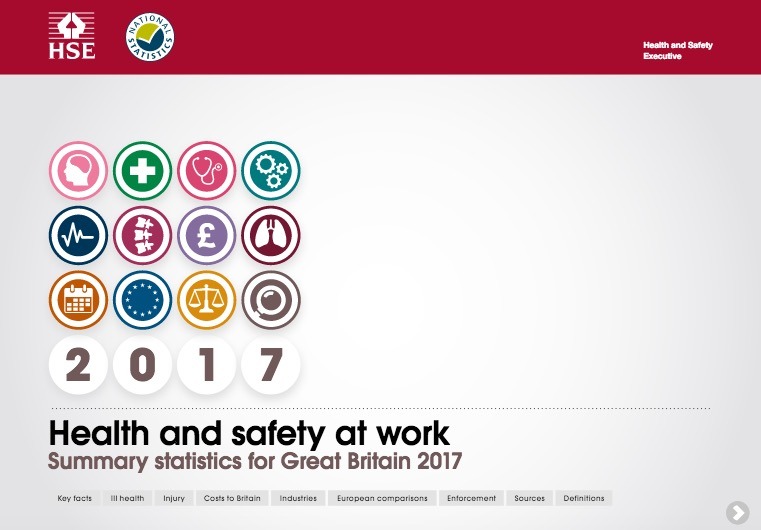
Estimates from a Health and Safety Executive (HSE) report in 2016 suggested around 12,000 deaths in Britain each year resulted from respiratory diseases caused by past working conditions. These included chronic bronchitis, emphysema and other types of chronic obstructive pulmonary disease (COPD), as well as lung cancer, mesothelioma and pneumoconiosis. Various allergic illnesses took smaller numbers of lives but nevertheless greatly affected workers’ quality of life. About 14,000 new cases were reported annually of breathing or lung problems caused or made worse by work.  In total, around 141,000 people who had ever worked were now suffering in this way.

Inhalable dust, which is relatively easy to see, can damage your nose, mouth, throat and windpipe. Respirable dust, whose small particles are invisible to the naked eye, goes deeper into your lungs, and even beyond, to cause harm. Some dust trapped in the mucus of your respiratory system finds its way to your mouth, is swallowed, and may affect your gut or reach other organs through your bloodstream. Skin and eye contact with dust is another source of health problems.

The HSE stresses that dust masks and other personal protective equipment should be considered only as a last resort, when all other control measures have been exhausted. Where generation of dust is unavoidable, it should be extracted close to its source of emission.

Normally this is achieved by placing a vacuum cleaner hose end next to the drilling or cutting point – or, better still, attaching it to the power tool. Bosch has improved the convenience and effectiveness of dust extraction by making its new GDE 18 V-76 Professional Dust Extractor an integral part of the hammer drill in use. It simply slots into place on the tool whenever needed.

Driven by its own motor, which is powered by the drill’s battery, the active integrated dust extractor has an automatic power on/off function. When the drill trigger is pulled, the unit automatically activates. When it is released, extraction continues for a further 2 seconds, to ensure optimal dust removal, before coming to a stop.

The unit’s dust container features a HEPA filter which removes 99.97% of all dust particles larger than 0.3 micrometres. An inspection window shows how much dust has been collected, and both the container and filter are quick and easy to remove, clean and replace.

While economic considerations might seem trivial compared with your life and health, they do add weight to the argument for taking dust extraction seriously. A clear, dust-free view of the job is important for precise and efficient work. A clean and tidy workplace keeps customers happy, and extracting the dust at source saves time on cleaning up afterwards. What’s more, your tool, its motor and its accessories will have a longer service life if they are not covered in damaging dust. But above all, says Bosch, don’t forget that your health is your capital – so make sure you protect it.

Bosch already offers effective dust extraction in a wide variety of applications through its Click & Clean system, with which most Bosch power tools are compatible. This allows simple and fast connection between the tool and any one of a range of freestanding Bosch dust extractors. Its new active integrated dust extractor provides an alternative approach particularly suited to hammer drilling.

The Bosch GDE 18 V-76 Professional Dust Extractor is now available from specialist retailers at a recommended retail price of £100 ex VAT. This price excludes VAT and is subject to change.

www.bosch-professional.co.uk

What’s Dry Build all about and should you consider it?

Darren Hook, CEO of English Heritage Buildings, discusses the benefits of this often overlooked construction method.

The construction industry is constantly looking for faster, innovative and more economical methods to reduce costs, construction time and waste, whilst also considering the impact on the environment. Larger businesses are quick to change, but often smaller companies get left behind because of cost restraints, logistical concerns and the uncertainty of moving away from more traditional building methods. One method which is being embraced by the larger companies in the sector is Dry Build construction, as it not only provides ecological and economical solutions but the materials used are also low maintenance and easy to repair.

The concept of Dry Build itself is not new, but the implications and benefits have only recently started to be fully appreciated. The concept is simple; a Dry Build engages mostly the same fundamental methods as traditional bricks and mortar building, but uses ‘dry’ materials including wood, gypsum board and plywood. When used instead of traditional moisture-retaining materials, such as concrete and plaster, the impact on build time, finances and eventually energy efficiency are incomparable.

What benefits can Dry Build construction can bring to builders?

Reduce construction time
Time on site and efficiency of transportation to, and time spent on site are both improved and the actual process is simplified with Dry Build. This in itself can reduce construction time by up to half when compared to traditional wet methods. For housebuilders, reducing time means earlier occupancy, resulting in earlier income, which certain.

Cost-effective
Reducing construction time also has the added benefit of reducing costs. The speed, with which the installation takes place, as well as the low maintenance of the materials used and the ease that they can be repaired, drastically reduces costs and signifies why Dry Build is growing in popularity throughout the industry.

Generates minimal construction waste
The Dry Build technique requires much less water and the materials used are easily optimised generating minimum construction waste. This also results in a significant reduction in the impact on the local environment – particularly important in residential areas.

The benefit of using oak
As a raw material, oak offers a whole host of benefits due to its natural qualities that are not available in man-made materials. In particular, Green Oak provides a malleable and multi-functional surface, which can be readily adapted to client demand, by offering a greater range which allows it to cater for larger builds and projects. In addition Green Oak provides great insulation, both in terms of sound and temperature, keeping interior elements constant. Also, surprisingly enough, wood offers a greater level of safety should a fire incident ever occur.

Putting it into practice
We here at the English Heritage Buildings operate solely with Exova BM TRADA certified Green Oak, and have become an expert in the field of using Dry Build construction methods. Oak is an aesthetically pleasing material that actually looks better with age and graces naturally. It is also reliable, sturdy and easy to use. I don’t know why more people don’t consider it more often.

English Heritage Buildings specialises in constructing new builds, but always with a mind to use and preserve ancient building techniques. Traditional English craftsmanship forms the backbone of our work, alongside partnering up with independent tradesmen who hold the same ethical values as us. This is why natural processes such as Dry Build construction form a core part of what we do.

The use of these materials is a no-brainer to us; Green Oak lasts longer than other materials, particularly modern synthetics. The traditional techniques feel right when using such beautiful material.

Dry Build construction is well-known, but it is still largely uncommon. The simplicity and cost effectiveness of the construction process has resulted in the practice gaining popularity and should certainly be considered as an alternative by all builders to traditional building methods.

www.ehbp.com

CK Tools launches fixed blade VDE stubby screwdriver

Supplier of quality hand tools and security solutions Carl Kammerling has launched a fixed blade VDE stubby screwdriver.

After undertaking research with professional electricians, Carl Kammerling identified that most carry a non-insulated stubby screwdriver. Despite understanding the importance of using insulated tools, electricians often encounter situations where their usual VDE screwdriver won’t fit. The new C.K Stubby VDE Slim Screwdrivers are designed to fill this problematic void; featuring a shorter length, they are ideal for use in confined spaces, and full VDE approval provides the assurance that each is individually tested to 10,000v for safe working up to 1,000v.

Premium quality, chrome vanadium steel blades provide strength and durability while the slim shaft, allows access to recessed screws and fixings. Furthermore, anti-roll flats prevent the screwdriver from rolling off sloping surfaces.

Manufactured in Germany, the C.K Stubby VDE Slim Screwdrivers are available in four key tip types, the essential PZ2, Slotted sizes 4.0mm and 5.0mm and Modulo (+/-) 2, with tip type markings for easy identification.

www.carlkammerling.com

Win a B&B Getaway Worth £250 Courtesy of Covers

0

Fancy a weekend getaway this autumn? To celebrate the arrival of Covers’ ‘Bread & Butter’ catalogue, which lists over 450 daily essential accessories.

The timber and builders merchant is giving one lucky customer the chance to win a B&B getaway of their choice worth £250.

To be in with a chance of winning, simply visit any Covers’ branch and complete an entry form. All completed forms will be entered in a free prize draw.

Entry forms are available from now until Thursday 31st August 2017 and no purchase is necessary.

The winner will be announced at the prize draw on Monday 4th September 2017.

Henry Green, Managing Director at Covers, said: “We are delighted to introduce our Bread & Butter catalogue, which contains hundreds of daily essentials for everyday jobs.

From power tools to paintbrushes, everything listed has been price checked to ensure we offer our customers exceptional value at competitive prices on all our core ranges.”

www.covers.biz

Ilfracombe Landlord Sentenced After Endangering Tenants With Unsafe Gas Work

The landlord of a property in Ilfracombe has been given a suspended sentence for risking the lives of his tenants by undertaking dangerous gas work.

Exeter Crown Court heard that in September 2016 Allan King replaced a boiler at his rented property on Arcade Road despite have no training in gas work and not being registered with Gas Safe Register.

The boiler developed faults and a month later King called in a gas engineer for help.

The engineer immediately recognised the boiler was risking the tenants’ lives and isolated it to make it safe. The Health and Safety Executive (HSE) was informed and launched an investigation.

The HSE had previously warned King in July 2016 that only a member of Gas Safe Register should work on gas appliances.

Allan King of Arcade Road, Ilfracombe pleaded guilty to breaches of the Gas Safety (Installation and Use) Regulations 1998 and the Health and Safety at Work etc Act 1974.

He was sentenced to nine months imprisonment suspended for 18 months and fined £3,000. He was also ordered to pay costs of £12,184.14.

HSE Inspector, Simon Jones, speaking after the hearing, said:

“Landlords have a legal duty to ensure that any gas work at their rented properties is only undertaken by a member of Gas Safe Register.

“In this case, Mr King ignored previous warnings and undertook his own DIY gas work for which he had neither the competence nor credentials.”

”His actions were dangerous and put his tenants’ lives at risk’

Further information about landlords’ responsibilities for gas supply can be found on the HSE website at www.hse.gov.uk/gas/landlords/index.htm

Carpenters, Flooring & Tiling Specialists Wanted in Alps

0

Season to Season Employment – a recruitment company that specialises in seasonal employment is currently looking for skilled carpenters and/or flooring and tiling specialists to work in the French Alps.

The company says successful candidates will enjoy the summer season and pre-winter delights in the French Alps honing their skills in and around luxury chalets.

Those who want to continue into Ski Season work can do so if successful over the initial work period, so this could be a fantastic opportunity to get your foot in the door with some epic winter jobs.

Very competitive salary.

Please send all CV’s to jobs@seasontoseasonemployment.com

“Dust extraction has to be top priority for the trade”

Jay Hounsell, a Herts-based carpenter and business owner, explains why he believes dust extraction should be the number one priority for everyone in the trade.   

He says: “I’ve been working in the carpentry industry for 20-odd years. My new company – The Hertfordshire Kitchen Company – has been going for two years and is successfully placing itself in the market for the supply and installation of quality domestic kitchens in Herts and the surrounding areas.

“Working in an environment with dust extraction has massively changed my working practices. I have a lot of Festool kit as its tools and dust extractors work together really well. My work means I’m continually using routers, drills and circular saws with extractors – it makes the working environment more comfortable, cleaner and safer – I hate working in a mess! Feedback from our customers is good – on our Facebook page a number have mentioned how clean and tidy the job has been.

“Dust extraction also helps with the longevity of the tools which therefore means less ‘down-time’.”

Jay says that the health benefits have to be the number one reason for using Festool kit. He says: “I’ve been lucky to never have suffered from asthma or other breathing problems. I believe this is partly attributable to the use of my Festool dust extractors and their excellent integration with their tools. After years of working in carpentry I’m aware of the risks of working without a dust extractor and now use one whenever the tools allow. Kitchen fitting is indoor work so it’s a ‘must’ as it’s not always practical or possible to do all the cutting outside.

“I know people that don’t bother using them as they think they’re not necessary, are too expensive or they’re too big and bulky to wheel in and out of jobs. Some people will also use something unsuitable that’s not up to the job. I think it’s a bit of laziness from some people and lack of awareness about the dangers.

“Dust extraction needs to be a top priority for people in the trade. I have two L Class extractors and, since we’ve developed our work with solid surface worktops that produce finer dust, I also have an M Class system now too. I use each one depending on the job. The ‘system’ is what I like about Festool, the systainers enable easy organisation and all stack on top of each other which makes the mobility of kit when you’re on the job so much easier.”

Festool, a leading supplier of high-end power tools and accessories, including a range of dust extractors, has been speaking with business owners as part of its latest Breathe Easy campaign.

Occupational lung diseases such as mesothelioma – caused by exposure to asbestos fibres – are increasing. Since 1992, mesothelioma deaths have increased by 70% to 1,862

The company has teamed up with the British Lung Foundation (BLF) to provide top quality cycling tops, available here: bit.ly/Festooltop, as a fundraising initiative and has asked business owners about their attitudes to dust extraction.

According to the British Thoracic Society’s report The Burden of Lung Disease, men aged 20-64 employed in manual occupations are around 14 times more likely to die from chronic obstructive pulmonary disease (COPD) and are nine times more likely to die from tuberculosis.

Occupational lung diseases such as mesothelioma – caused by exposure to asbestos fibres – are increasing. Since 1992, mesothelioma deaths have increased by 70% to 1,862.

Jon Burcham, Marketing Manager at Festool, said: “Festool has long-been associated with our excellent dust extraction systems.

“Due to heightened levels of understanding about the harm that dust can have on people’s lung health, we can see that dust extraction and the measures tradesmen need to take to protect their lungs will be something that will be legislated about in the near future.”

The Festool range of safe and robust dust extractors are lightweight and compact, ideal to transport from job to job, saving time for tradespeople. Festool’s dust extractors are suitable for any job from low to high class dust, including general work to anything that is a known carcinogen including lead, cadmium and asbestos.

www.festool.co.uk

NSF International and the Indian Plumbing Skills Council (IPSC) sign agreement

Global public health organization NSF International and the Indian Plumbing Skills Council (IPSC) have signed a memorandum of understanding (MOU) to provide local testing and certification services for the plumbing industry in India.

This MOU will help improve the quality of Indian plumbing products and the skills of Indian plumbers through IPSC’s skill development initiatives under the aegis of the National Skills Development Corporation (NSDC) and India’s Ministry of Skill Development and Entrepreneurship (MSDE).

Under the MOU, NSF International and IPSC will work cooperatively to develop a joint facility where IPSC will offer training to plumbers and NSF International will operate a testing and certification laboratory. This agreement provides the Indian plumbing industry with local access to NSF certification, improving the quality of Indian plumbing products and subsequently creating opportunities for the export of Indian plumbing products. This agreement also demonstrates NSF International’s investment in India’s plumbing certification industry and skilled plumbers.

“NSF International is committed to the continued advancement of public health and safety in India’s plumbing industry,” said Mr. Dave Purkiss, General Manager, Plumbing Products, NSF International. “With the training expertise of the Indian Plumbing Skills Council and NSF International’s testing and certification leadership, we will work together to advance education, public health and sustainability initiatives in design, specifications, installation, inspection and regulation for the Indian plumbing industry.”

The agreement also expands NSF International’s presence in India, which currently provides independent, third-party services to the water, food, consumer goods and pharmaceutical industries. Located in Gurugram, in the capital city region of Delhi, NSF International’s India office focuses on water and food safety including certification of drinking water treatment chemicals and distribution systems, water filters, piping and plumbing components.

“IPSC is dedicated to developing excellence in plumbing skills,” said Mr. Vinay Gupta, Vice Chairman, IPSC. “IPSC believes this excellence will be further enhanced by the agreement with NSF International, a global leader in the water industry. Our commitment is to train and up-skill plumbers in India on the importance of public health and safety practices for the water and sanitation industries. Locating our training facility on the same site as an NSF International testing laboratory demonstrates a true commitment by IPSC and NSF to improve the quality of the plumbing sector throughout India.”

www.nsf.org

Snickers FLEXIWork range offers freedom of movement on site

While fabric, functionality and fit have always been hallmarks of its working clothes, Snickers says it’s the innovation and technology in the design of FLEXIWork garments that sets them apart from other brands.

They’re designed for fast-paced working environments with body-mapping designs said to ensure superior freedom of movement on site.

There are waterproof jackets, fleeces, t-shirts and hoodies, plus work trousers made from a durable, stretch and rip-stop fabric and polyamide reinforcements.

As well as fashionable looks, all these clothes are packed with comfort and functionality, specially designed for professional craftsmen who are always on the go, always delivering top class work and always a step ahead on site.

Designed for professionals who rely on their gear in demanding environments, Snickers says they’re a must for everyone who takes a pride in their work on site.

For more information on Snickers’ FLEXIWork working clothes, visit the website at www.snickersworkwear.co.uk where you can download a digital catalogue – or call the Snickers Helpline on 01484 854788.