Home Blog Page 39

An Introduction to the Most Important Concrete Types

0

To put a number on it, there are over 10-15 different types of concrete used nowadays. This is more than what a small construction crew will likely ever need, but each type is essential for large scale construction companies that operate on multiple levels.

Before we get down to discussing details regarding the surprisingly high number of variations in concrete, it’s important to understand exactly why so many variations are there in the first place. Otherwise, all of it will seem pretty much pointless!

Why are there So Many Different Types of Concrete in the Construction Business Today?

Concrete is an umbrella term, and each different type of concrete has certain strengths and weaknesses, which make them perfect for some projects and inadequate for others. The kind of concrete a contractor will need is based on multiple criterions, some of which we have listed below.

  • Materials used to produce the concrete
  • The formula and design of the mix
  • Construction specifications
  • Construction methods
  • Nature of the construction
  • The space to be filled
  • The allocated budget
  • The geographical location

There are other criteria and requirements that help businesses decide what kind of concrete they need as well, but these are more or less the main ones. Based on these criteria, a contractor chooses the concrete they need. We have highlighted some of the most used types of concrete next, along with a few that will provide you with the highest quality concrete.

Plain Concrete or Normal Strength Concrete

Plain concrete doesn’t have any reinforcement agents mixed in it, meaning that cement, aggregate, and water is mixed in 1:2:4 ratio to produce plain concrete. Although variable, check out some of the most common and usual attributes of plain concrete below.

  • Density: 2,200 kg – 2500 kg/m3
  • Compressive strength: 250 – 500 kg/cm2
  • Use: Pavements and residential buildings when the budget is low and the need for tensile strength is not a priority

Reinforced Concrete

Plain or normal strength concrete has excellent compressive strength but lacks tensile strength. Reinforced concrete, on the other hand, has impressive tensile and compressive strength simultaneously. Steel fibres, steel rods or steel mesh are generally used to add tensile strength to normal concrete, turning it into reinforced concrete, which is much more durable.

Ready Mix Concrete

Ready mixed concrete can produce the best quality of concrete possible because the process potentially has no limit to what it can help the builder achieve. Not only can ready mix concrete be of the highest quality, but it can also be produced in any form or type the builder desires (plain, reinforced, polymer, etc.). Most importantly, the builder or civil engineer can give a proprietary formula to the ready mix provider to get exactly the kind of concrete they are looking to work with.

However, the use of a concrete mix calculator, also known simply as a concrete calculator is necessary, if you wish to use ready mix for your construction effectively. MixIt provides a screed calculator, as well as a concrete calculator that UK contractors and builders rely on heavily for making those crucial calculations. Once you have a near accurate estimation on the numbers you need, consult with the experts for delivery and guidance, in accordance with your project’s specific requirements.

Prestressed Concrete

Prestressing is expensive and requires a skilled labour force that knows how to stress the bars and then place the pretensioned bars into the concrete at the right time. Therefore, it can be quite expensive, but due to the massive compressive and tensile strength it provides to the concrete, pretensioned concrete is reserved for making public structures such as bridges, overpasses, and large roofs with long spans on commercial buildings or skyscrapers.

Polymer Concrete

Polymer concrete essentially substitutes cement from the mix with polymer to reduce the voids. Due to the reduction of voids in polymer cement, the mix can use much less of the stuff, as compared to cement, and still bind the aggregates together. There is no denying that polymer is a lot stronger than cement, but the binder is also a lot more expensive. Whether you choose to use it or not will depend on your budget and the actual need for tensile strength in the project because unnecessary use of polymer can prove to be very expensive.

Instead of going through every one of the concrete types, we decided to highlight the most commonly used and the most useable concrete types here. However, just in case you want to learn about all the other types of concrete as well, you may also want to search for information regarding pervious concrete, shotcrete concrete, pumped concrete, vacuum concrete, stamped concrete, roller compacted concrete, glass concrete, self-consolidated concrete, air-entrained concrete, and lightweight concrete.
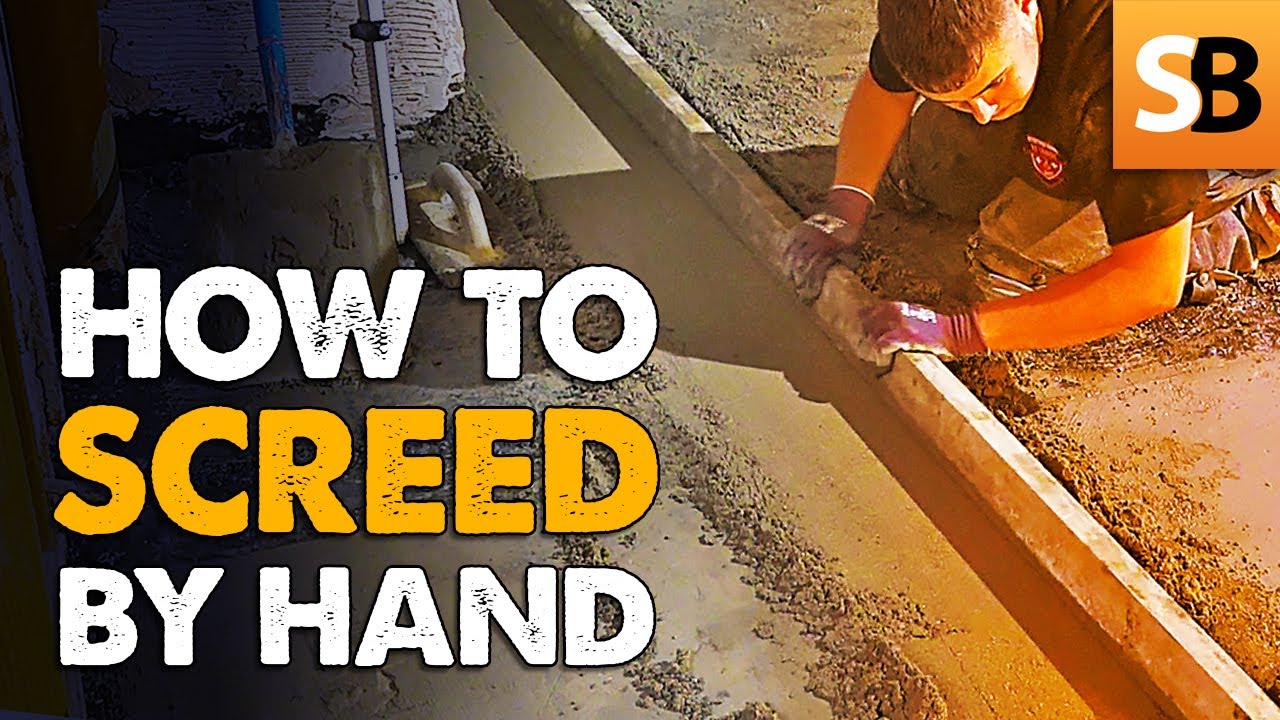

How to Screed a Floor by Hand – Screeding Tips

0

How to screed by hand step-by-step with our stars Luke and Lee who are at the top of their game and Luke is only 18 years old, very impressive.

Award winning construction software company EasyBuild launches new website

EasyBuild Construction Software Ltd is proud to announce the launch of its brand-new website. The new website showcases a host of comprehensive ERP (Enterprise Resource Planning) software features and financial modules aimed at the construction sector.

EasyBuild is proud to announce the launch of its brand-new website.

The new website showcases a host of comprehensive ERP construction features and financial modules to suit businesses from £5m up. At the heart of its core features are information on: Accountancy, Payroll & HR, Estimating, Analytics, Project Management, Supply Chain and Plant Assets.

EasyBuild offers solutions for the following software:

● Cloud – giving you access to business-critical applications at any time from any location.

● Mobile –Mobile enables the capture of labour cost via the Timesheet app; requesting material and plant deliveries via the Requisition app, and recording the delivery of materials via the Goods Received app. Data is automatically synced back into EasyBuild’s ERP solution, which in turn saves time, removes paper and increases efficiency.

● API – Developed using the very latest Microsoft .NET Core technology, the EasyBuild Web API provides the required communication layer between the Mobile solution and the EasyBuild database.

EasyBuild is an established construction software developer with headquarters based in Borehamwood. The company provides their solution to many high-profile main contractors, housebuilders, fit-out firms, rail, civil engineering, service and maintenance companies and many others. Having developed a wide range of financial accounting features and solutions bespoke for various businesses and sectors, EasyBuild is an award-winning construction ERP solution provider in the UK.

The brand-new website enables EasyBuild to fully convey their construction financial accounting services, to the sectors they work with, the competitive pricing bundles on offer, how they deliver implementation and training, and a range of client case studies. This redesigned website will make information much more accessible for EasyBuild’s existing client portfolio and new customers.

Carol Massay, CEO at EasyBuild Construction Software, added “After several months of hard work and dedication, we’re delighted and extremely proud to announce the launch of our brand-new website. We’ve completely redesigned and rebuilt a site from scratch and made major changes to incorporate better design enhancements, usability improvements, site speed and security enhancements, and many more features that will make browsing a far superior experience for our users.”

The new website also placed a big emphasis on showcasing their case studies by redesigning the format, style, and the way information is presented. The new EasyBuild website will be regularly updated with new content, blog posts, case studies, video, training information and latest news to keep the website engaging and up-to-date.

Forticrete Low Pitch Roof Window System

0

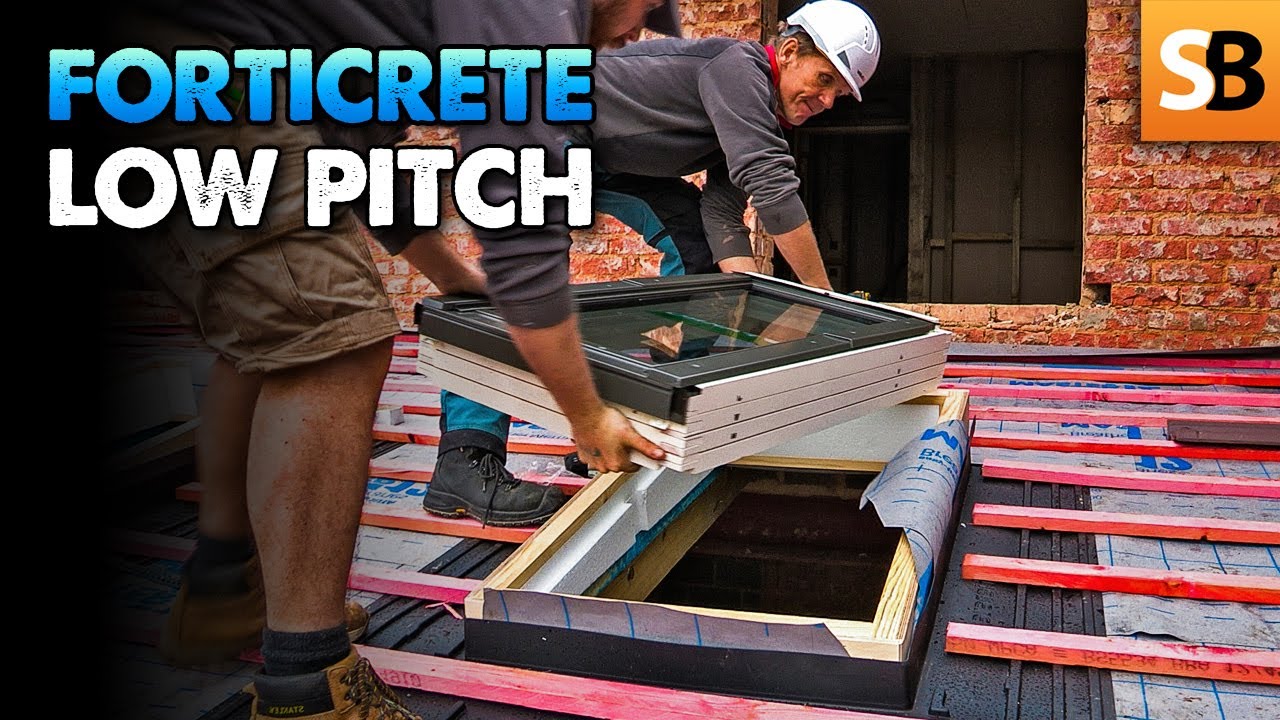
Looking for low pitch roofing options? Roger takes a look at the Forticrete roofing solution for roof windows with a pitch as low as a 10º and gives a helping hand with the installation.

Before now, the minimum pitch for most roof window installations has been 15°, and even at that pitch problems can occur. Homeowners want a lower pitch roof to enable them to extend their property as far as they can – particularly with the relaxed planning regulations.

Conventional roof windows and flashing kits work by discharging water up and over the face of the tiles. At lower pitches, water does not run off so quickly and tends to pool and lead to water ingress. The Forticrete Low Pitch Roof Window System solves this with a two-piece tray drainage flow, which collects any water which runs under the tiles and disperses it across the trays, over the fascia and into the gutter in a controlled manner.

#Forticrete #LowPitchRoof #Roofing

Fitting a Multipoint Lock in Timber Doors – KB#7

0

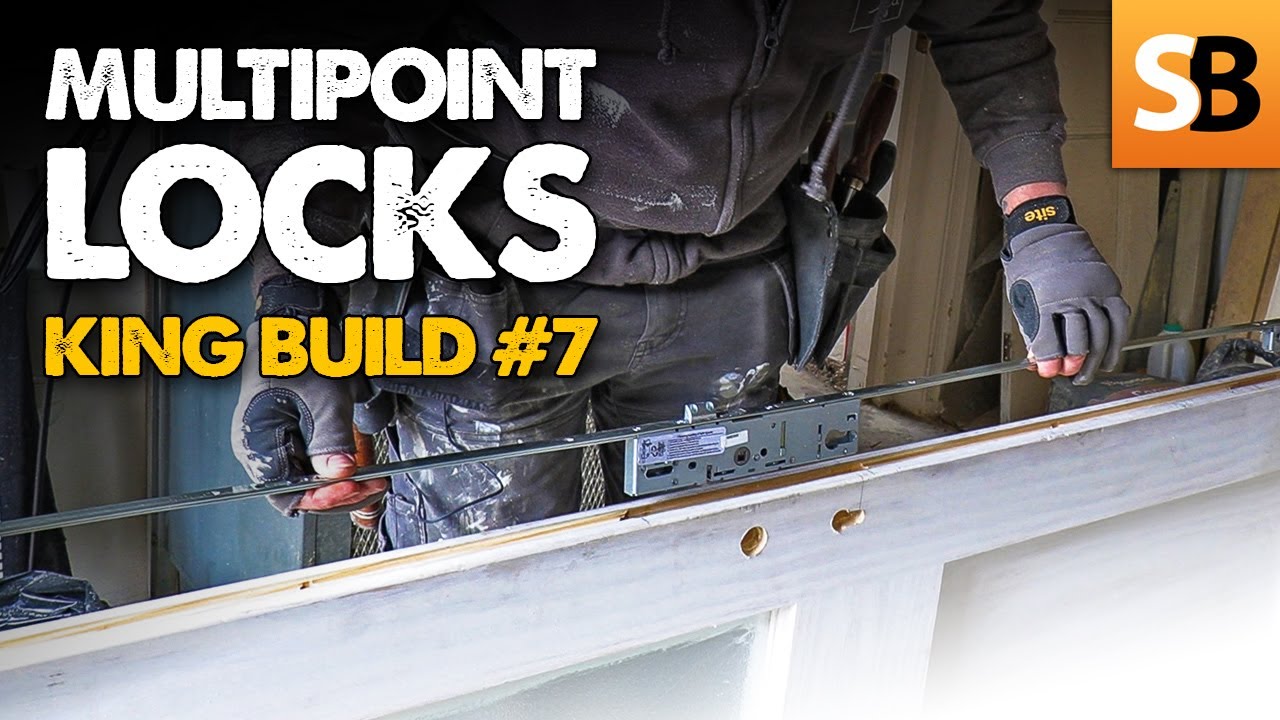
Part 7 of King Build and James is fitting a multi-point locking system to the doors and isn’t helped by the damaged kit.

New regulations require better security on new builds but it makes sense to beef up external doors.

The client didn’t like the idea of operating several locks and bolts so a single-action mechanism that locks the door in three places was a better solution.

Our thanks go to James King for letting Roger film this extension project series. The Supreme Finishing Company can be contacted by following the link below.

https://thesupremefinishingcompany.co.uk

Tool Theft Lockdown – Is Your Van Secure Enough?

0

Roger’s Van Gets Total Security Pimp Out – https://youtu.be/GxVLWmheb74

Steve goes to Sussex Installations to get his Vivaro pimped out like Roger’s to prevent the dreaded tool theft which is getting out of hand.

Dickies Puts Your Hero Tradesperson in the Spotlight

Global workwear brand Dickies is putting the spotlight on tradespeople who are working hard to deliver essential projects during the Coronavirus outbreak.

Dickies is encouraging anyone who knows a tradesperson carrying out such work to share their stories on social media – using the hashtag #dickieshero – where the company will highlight inspiring examples to its followers.

“During these testing times, many are realising how hard the construction industry works and how essential the trades are in keeping our nation going,” said James Whitaker, Marketing Director for Dickies.

Dickies hero

“Whether they’re constructing new field hospitals, carrying out essential repairs for social housing providers, or continuing to make sure no one goes without hot water, there are thousands of tradespeople up and down the country who deserve recognition and thanks. We’re keen to hear about anyone who is doing their best to carry out essential work at this time and encourage people to tell us of their hero tradespeople on social media”.

Do you know a hero tradesperson who is working hard to help deliver essential services during the Coronavirus outbreak? Share your nomination on social media, using the hashtag #dickieshero, tagging Dickies using the following details:

On Twitter: @DickiesEurope

On Instagram: @dickiesworkwearofficial

On Facebook: @DickiesWorkwear

www.dickiesworkwear.com

Roof Construction & Weathering In – Garden Room #4

0

How to build a garden room episode 4 gets our room weathered in by the Skill Builder team. Robin finishes the roof construction and PIR board while Andy gets the Easy Trim Vista Breather Membrane on ready for the slates.

This type of garden room is perfect for use as an office, photographic studio, workshop, man cave or playroom.

Challenges of Coronavirus – 5 Survival Steps to take Today

0

In navigating the unparalleled challenges presented by the Coronavirus pandemic, businesses are confronted with a myriad of obstacles. However, amidst this adversity, it’s important to recognise that there exists a spectrum of governmental assistance and guidance tailored to support enterprises during these trying times.

These resources encompass a diverse array of initiatives aimed at providing financial aid, strategic counsel, and logistical support to help businesses weather the storm and emerge resiliently on the other side. By tapping into these available resources and leveraging the wealth of support and expertise provided by governmental agencies, businesses can navigate the complexities of the current landscape with greater confidence and efficacy, ensuring their survival and sustainability in the face of unprecedented uncertainty. Here are 5 key steps you can take today:

1. Get help with your finances

For small and medium-sized businesses, the new Coronavirus Business Interruption Loan Scheme is now available for applications. For more information and how to apply, visit our website.

You can also speak to your bank or lender to discuss options.

The Bank of England’s new lending facility for larger firms is also open for applications. Find out more on their website.

It is also prudent to explore potential contingency plans to address supply-chain disruptions, another issue caused by coronavirus, effectively . By proactively seeking alternative sources or methods, businesses can mitigate the impact on timeframes and financial resources, thereby enhancing resilience in the face of unforeseen challenges. By devising comprehensive strategies that encompass diverse scenarios and contingencies, organisations can optimize their ability to navigate disruptions and maintain operational continuity with minimal disruption to productivity and financial stability.

2. See what you’re entitled to

The government is also making cash grants and additional funding available to certain sectors and smaller businesses.

Find out more about the schemes available, whether you’re eligible and how to apply on our website.

3. Support your staff

Through the Coronavirus Job Retention Scheme, the Government will pay salaries (at 80% of current pay up to £2,500 a month) for workers who are no longer working and would otherwise be made redundant.

For businesses with fewer than 250 employees, the cost of providing 2 weeks of COVID-19 related statutory sick pay per employee will be refunded by the Government in full. Find out more on our website.

Offer support to employees who may be experiencing stress, anxiety, or other mental health challenges due to the ongoing pandemic, including access to counseling services or employee assistance programs.

You will also find messaging in this toolkit that can be used in your internal staff communications.

4. Check guidance on tax

If you are concerned about paying your tax you can talk to HMRC about managing payments.

We have already postponed upcoming VAT payments through to June, cancelled business rates for many sectors and delayed July’s self-assessment tax payments until January 2021. To find out more visit our website.

5. Follow the latest Coronavirus advice

Maintain regular cleaning and disinfection protocols for high-touch surfaces and common areas within the workplace and follow recommended safety protocols such as maintaining physical distancing, wearing masks where required, providing hand hygiene stations, and ensuring proper ventilation in indoor spaces.

Regularly monitor updates from reputable sources such as the World Health Organization (WHO), the Centers for Disease Control and Prevention (CDC), and local health departments for the latest guidance and recommendations.

Our website will be updated regularly as more information becomes available.

The Prime Minister’s daily press conference, live streamed on the @10DowningStreet Twitter feed, will also provide the latest updates on health advice, support for businesses and employees, as well as a range of other issues.

Check out “Big wipes”

The industrial-grade cleaning wipes,  proven to be affective against covid.

https://skill-builder.uk/big-wipes-go-anti-viral

Repointing Old Victorian Brickwork – Best Mix & Tools

0

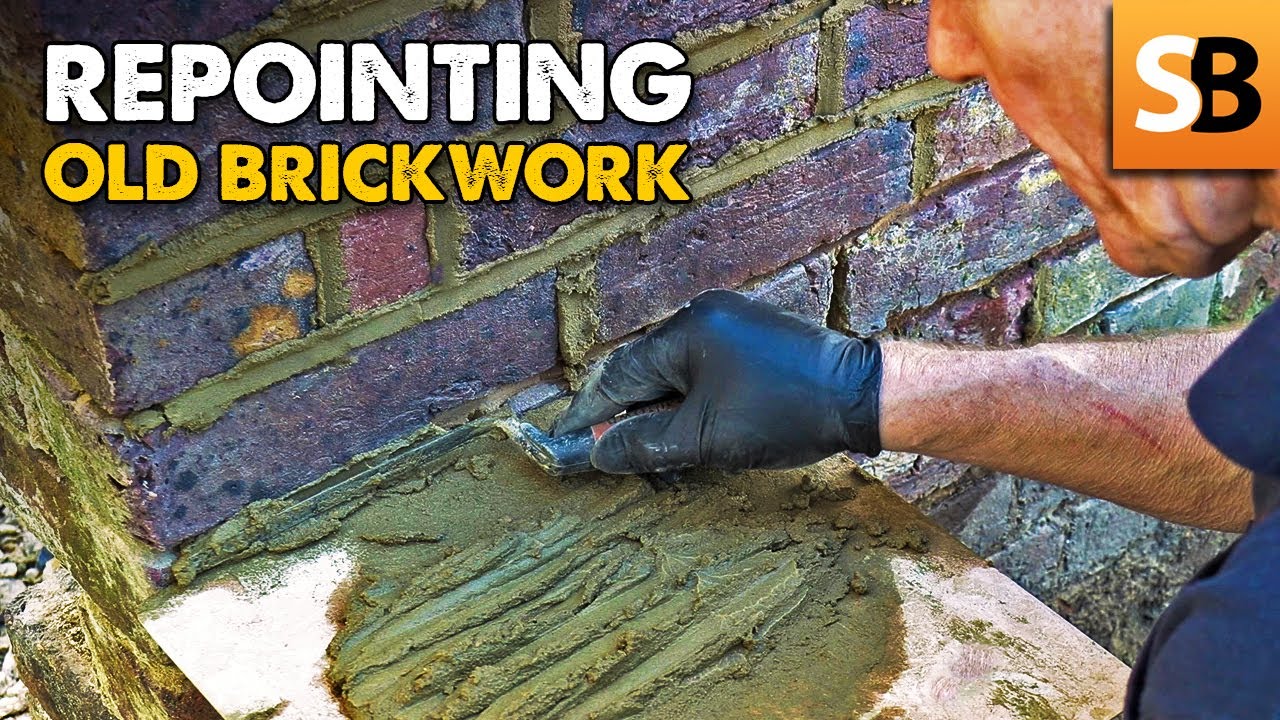
Repointing old Victorian brickwork is a job Roger loves. In this video, he shows you his technique and the tools he recommends for pointing, see the list below.

Morta Sortas Raking Tool – https://amzn.to/3jYOCCF

Mortar Raking Tool – https://bit.ly/2QTtIbi

Armeg G175B4MRC6 175mm SDS + Mortar Raking Chisel – https://amzn.to/30kC3cY

Flexible Stainless Steel Knife Set – https://bit.ly/2UJHMVN

Tuck Pointer – https://bit.ly/2ykG3Pv

Pointing Hawk – https://bit.ly/3asEH3g

Roof Slate & Dangerous Demolition ~ 35A Extension #5

A look back at 2006, after a long break, we have another episode of the 35A extension series, the first project that Team SB worked on together and this is some dangerous demolition.

Roger had heavy-duty trouser braces, Robin looked 16, Steve was a chain smoker, Dylan had hair and the cameras recorded shockingly low-quality video.

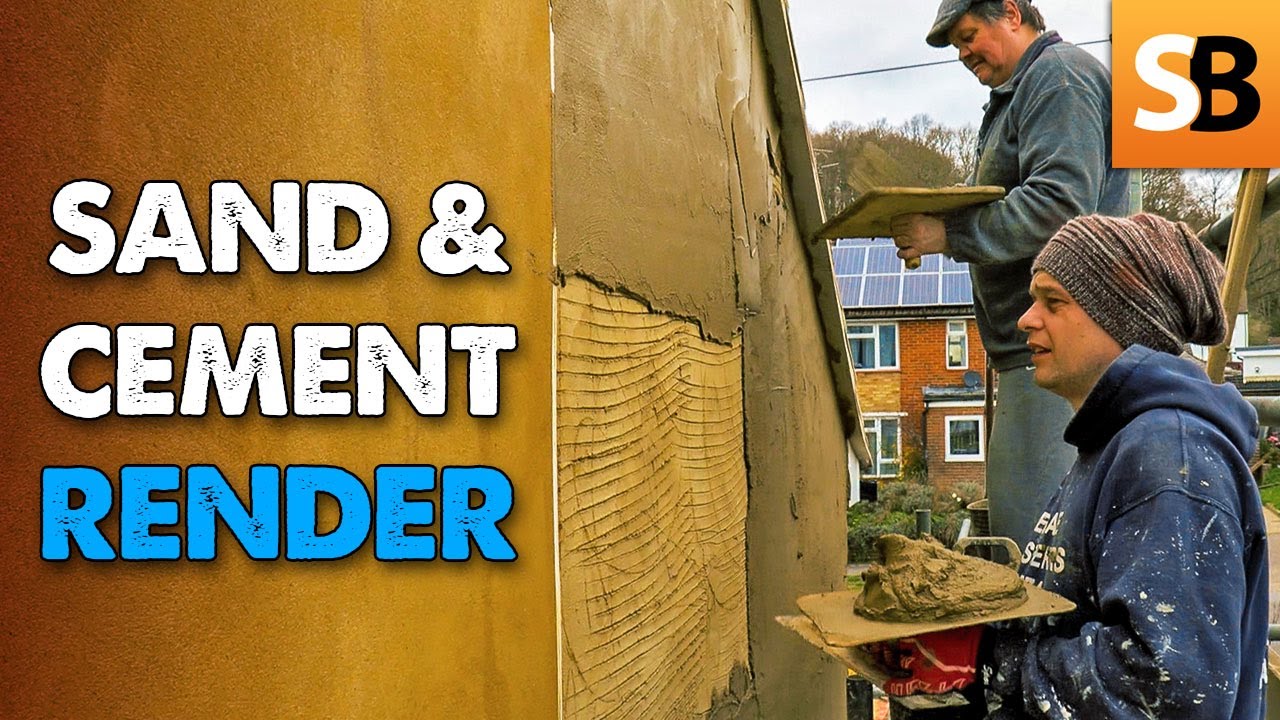
Sand and Cement Rendering with Reigate Plasterers

Roger spots Reigate Plasterers working on some sand and cement rendering and jumps up the scaffold to say hello.

Special thanks to Lee at Reigate Plasterers for letting us film them working.
facebook.com/Reigateplasterers

They offer a comprehensive range of plastering services. Whether you’re looking to patch up your home or get your new business up-and-running, Reigate Plasterers can help. Competitive prices, day after assessments and flexible booking hours, try Reigate Plasterers today.

More on rendering with Skill Builder.

Hanging the Doors from XL Joinery – Capel #19

We’ve seen Robin ordering his doors from XL Joinery, now you can see him hang them as the Capel Build gets closer to the finish line.

#CapelBuild #XLJoinery #RobinClevett

The Snickers Workwear Family – Bringing You The Best Solid Gear Safety Shoe Technology

Incorporating some of the most advanced technical features in safety shoe design.

With all the Hallmarks you find in Snickers Workwear – quality, comfort, durability and street-smart style, Solid Gear safety shoes and boots are fast becoming one of the most popular brands chosen by discerning tradesmen and women.

With a wide range to choose from that integrate the type of modern technical designs, you’ll find in outdoor and athletic footwear, Solid Gear safety footwear combines best in class materials for comfort, protection and durability.

There’s a host of first-to-market features like GORE-Tex Surround Technology for unrivalled and all-round breathability. Plus ETPU sports footwear performance that delivers unrivalled footbed energy return that really puts a spring in your step.

Added to the Vibram outsoles and Cordura Rip-Stop fabric in other styles, you’ll get rugged protection all day long. What’s more, the GORE-Tex Fabric Technology also makes the footwear water repellent and waterproof to keep your feet dry. Added to which, the unique BOA Closure System on certain styles, distributes the pressure evenly across your feet to ensure a glove-like fit.

Overall, this combination of market-leading materials, fabrics, linings and high-tech features provides the kind of insulation and protection that will keep your feet warm and comfortable all day long.

Snickers New Stretch Work Shorts – Comfortable and Lightweight

Work Shorts for the flexible working environment – designed to deliver superior comfort and freedom of movement.

Fabric, Functionality and Fit are hallmarks of Snickers Workwear, it’s the innovation and fabric technology in the design of the new Stretch Shorts for men and women that really set these new garments apart.

These new AllroundWork and FLEXIWork shorts are great for working in the warmer months. Delivering superior flexibility and comfort, these lightweight work shorts come in a body-mapping design and a range of new colours including Hi-vis options.

Made from a self-ventilating stretch fabric with Cordura reinforcements for all-round mobility and durability, they’re packed with comfort and functionality and specially designed for the fast-paced professional who’s always on the go for delivering top class work on site.

For professional tradesmen and women who rely on their gear in demanding environments, Snickers Workwear Work Shorts are a must for everyone who wants the ultimate in cool comfort this summer.

To get more information on what’s right for you in the Snickers Workwear range, visit the website at www.snickersworkwear.co.uk alternatively, email sales@hultaforsgroup.co.uk or call the Hultafors Group Helpline on 01484 854788.

iF Design Award for Hultafors Tools

0

Another Prestigious Design Award for the Hultafors Group’s Workwear and Tools brands

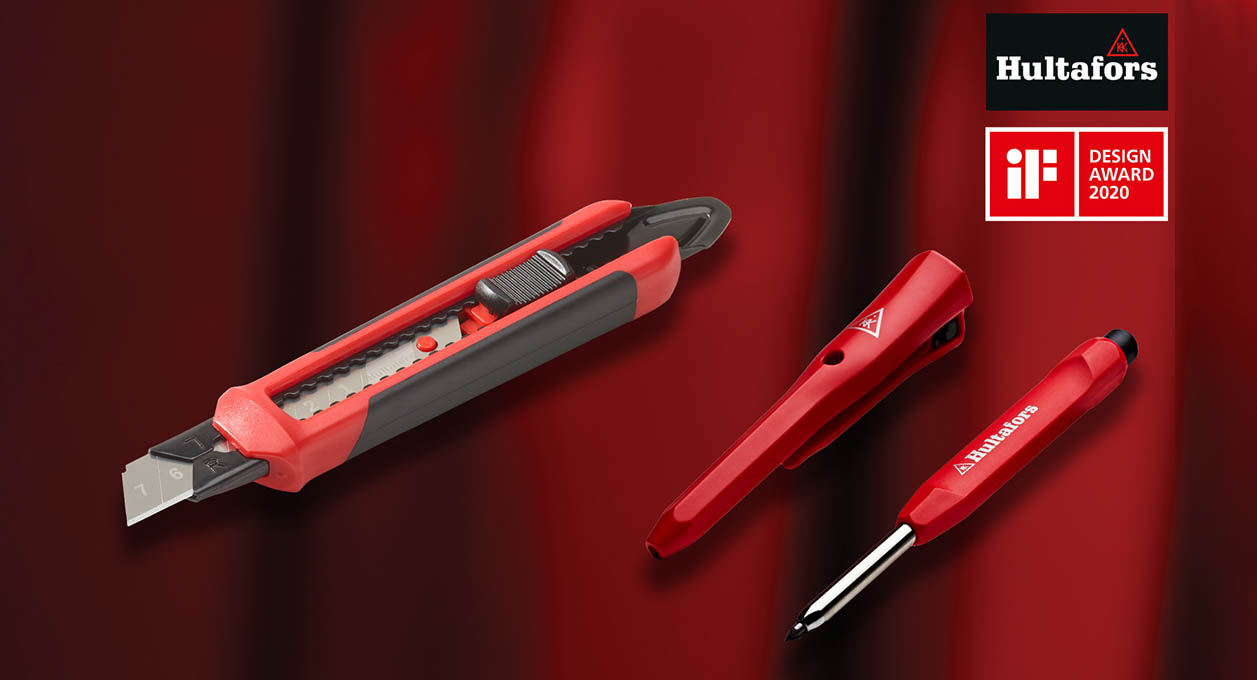
Added to the Red Dot Design Award for Workwear, the Hultafors Group has just won the iF Design Award for the Hultafors Snap-Off Knife (SRP18A) and the HDM Dry Marker.

With over 7200 entries from 56 countries, the competition was intense. After much deliberation, the 78-member jury – made up of independent experts from around the world – chose Hultafors’ innovative Knife and Marker products as winners in the Tools category for their innovative, ergonomic designs and user-friendly features.

Considered to be one of the world’s most prestigious product accolades and renowned as a symbol of innovation and quality for nearly 70 years, the iF DESIGN AWARD has been recognised globally as a hallmark of quality for exceptional product design for nearly 70 years.

HB42 ‘All-in-One’ Superior Sealant & Adhesive

Roger Bisby thinks he knows why, historically, we had so little faith in adhesives and why, thanks to HB42, it has now changed.

During my many years in the building industry, there has been a long and steady improvement in adhesives but I don’t think I am alone in thinking that for much of that time the promises and claims made by manufacturers have far exceeded the reality. We had so-called super glues which boldly claimed, “One Drop holds a Ton”, they even showed an elephant being miraculously suspended on a rope but neglected to say how many drops they used for that stunt.

The disappointment was compounded when you tried to do something as simple as sticking the sole back on your shoe, none of them could ever do that and I know because I tried them all. And who can forget the bloke sitting on a chair which was supposedly stuck to the wall or the man hanging over the shark-infested tank? Such stunts are an insult to our intelligence and not surprisingly most tradesmen I know have retained a healthy scepticism about such claims. In that sense, it has achieved the exact opposite of what it set out to do.

You may use an adhesive to gun a nice line on the back of a skirting board but in the past, you would still drive in a few screws just for good measure, after all, what harm can it do? Well, as an emergency plumber, I can tell you exactly what harm it can do. There is a very compelling case for not drilling into walls and floors if you can possibly avoid it, especially with the advent of underfloor heating.  One screw in the wrong place can cause thousands of pounds worth of damage and set the completion date back by weeks.

With that in mind, there is no doubt that the demand for an adhesive such as HB42, has been there for a very long time. What might seem surprising is that when it arrived on the scene, it kind of crept up on us rather than arriving with a big fanfare but, when you think about it, this was both shrewd and logical. There was nothing to be gained from a high-profile advertising campaign showing it sticking bricks to glass, metal to wood and any number of other seemingly unbelievable stunts, we have been there and got the T-shirt.

We now live in a different age and it is one of early adopters and influencers. The approach Hilton Banks used was to put HB42 into the hands of credible tradesmen and let them see for themselves just how effective it is. Some of the results are truly awesome, none more so than the ability to stick things underwater. Even seeing this at first hand still left me wondering what the trick was, but having gone on to use it to seal a leaking shower tray in a student hostel where the shower remained in use, I am persuaded that it works.

Perhaps one of my favourite and most regular jobs is sticking shower screen profiles to tiles.  There was a time I would have used some screws but if there is nothing but tile and board that it is not a great way of fixing. Having tried to remove such a profile a few days later when we needed to change a faulty bath it put up such a fight that we ended up using a Fein multi-tool blade running down the entire length.  From that day on my confidence in this product increased ten-fold.

“They say that HB42 is the answer to everything…”

I have since done any number of sticking and sealing jobs but, so far, I haven’t tried sticking the sole of a shoe. It is perhaps ironic that when they finally came up with the right product, I also started buying better shoes.  No doubt I will find more challenges but, in the meantime, let us know what you consider to be the ultimate test and tell us what you have done successfully with this product. The best suggestion wins a pack of Eco- Foil tubes and an applicator gun.

Find out more at www.hb42.co.uk

Our Tips for applying sealant – https://skill-builder.uk/tips-for-applying-silicone-sealant

The Heat is on – Hot Work Fires on the Rise

Hot work fires on construction sites are on the rise. CHAS, the supply chain risk management experts, explain what you need to remember when undertaking this type of work.

More than a quarter of all accidental fires on construction sites are sparked by ‘hot work’, according to Freedom of Information data obtained by insurer Zurich.

Combustible materials can be easily ignited by a stray spark and cause serious harm to buildings and people. It also leads to millions of pounds worth of damage each year, not to mention reputational damage.

It is therefore vital that your workplace establishes a suitable safe working system for hot work before people carry it out.

What is hot work? 

The term ‘hot work’ refers to tasks involving the use of open flames, the application of heat or in some cases friction, which may potentially lead to the generation of sparks or heat.

The British Standards Institute (BSI) defines ‘hot work’ in BS 999 (1) as “any procedure that might involve or have the potential to generate sufficient heat, sparks or flame to cause a fire”.

It includes welding, flame-cutting, soldering, brazing, grinding and the use of other equipment incorporating a flame, such as tar boilers.

Risks

Hot work can harm people by causing burns, illness due to fumes, eye damage from debris, or hearing loss due to noise. However, the most common and significant risk of hot work is fire.

Home Office data obtained by Zurich under Freedom of Information shows that between January 2015 and March 2019, fire crews in England attended 1,587 construction fires – of which 28% (2) were caused by hot work, or other sources of heat.

The insurer’s own claims data shows that 15% of the total cost of all UK fires in commercial and industrial properties involve hot work.

Fire hazards posed by hot work include flying sparks; heat conduction when working on pipes; flammable swarf, molten metals, slag, cinder and filings; hot surfaces; and explosive atmospheres.

Areas of particularly high risk include torch-applied roofing, where there are roof voids present and work such as angle grinding close to combustible materials.

BS 9999 states that “hot work should only be undertaken if no satisfactory alternative method is feasible”. Every possible alternative for completing a task should therefore be considered before deciding to proceed with hot work.

Hot work permits

If hot work on a construction site is unavoidable, a hot work permit is required for any temporary operation involving open flames or producing heat and/or sparks.

Issued for a maximum of one day by a competent and authorised person before work begins, the permit will detail who will be carrying out the work (staff or contractors); what the work will involve; hazards identified and actions taken to remove them (e.g. flammable liquids, combustible materials); fire watch procedures; site inspection procedures; and emergency procedures.

The use of a permit system provides a formal means of recording the findings and authorisations required to undertake hot work. It is an extension of the safe system of work – it does not, by itself, make the job safe. Organisations must therefore have robust procedures for ensuring that contractors adhere to the hot work permit.

According to Zurich, an organisation can only have oversight of the hot work permit system if it has somebody physically on site. It’s also vital to identify the right person within an organisation to monitor the performance of the hot works permit system (3).

Carefully vetting contractors from the outset is important too. For one thing, it’s important to use a contractor experienced in hot works. For true peace of mind, though, the contractor should be accredited by a recognised health and safety scheme such as CHAS, The Contractors’ Health and Safety Assessment Scheme, to demonstrate that their workers are trained to safely use hot work equipment.

Best practice

Guidance from the Health & Safety Executive (HSE) details many of the areas seen on checklists for hot work permits – from the importance of good housekeeping to fire watch procedures.

For example, on the importance of good housekeeping with regards to welding (4), the HSE states: “Clear away wood, fabric, cardboard and other flammable material before starting a welding job. Heat, sparks and drips of metal and slag can travel a considerable distance and start fires in adjacent rooms.”

On fire watches, it advises: “Where hot work cannot be carried out in a safe area, or where combustible material cannot be removed from the work area, a fire watch should be maintained during and after the hot work. This watch should be maintained for at least 30 minutes after the completion of the hot work, but where an unintended ignition may be difficult to detect or slow to develop, this may need to be extended to 60 minutes.”

Beyond compliance

Organisations looking to go above and beyond compliance may want to consider using thermal imaging cameras.

Zurich is urging contractors to adopt them as standard to help reduce the number of fires caused by welding, grinding and torch-applied roofing.

The cameras, which cost as little as £400, could detect more hot spots before they ignite. The devices can also be used to take time-stamped photos to demonstrate fire watches have been carried out.

The insurer is also pressing for a voluntary licensing system to encourage best practice and provide peace of mind to businesses when choosing contractors. Before carrying out or supervising hot work, contractors would complete a one-day training course, giving them a licence valid for five years.

Scandinavian countries have had a similar ‘passporting’ approach in place since the 1980s, which is said to have significantly reduced hot work fires to less than 5% of fire losses over the last decade.

The Fire Protection Association (FPA) is one body that offers a hot work passport scheme in the UK. It is designed for supervisors and operatives who carry out risk assessments to complete hot work permits. Over 2,850 hot work passports have been issued to date and it is valid for five years from the date of completion.


Conclusion

In many instances, the use of hot work equipment is the most efficient way to achieve certain tasks during construction, renovation and maintenance.

However, all activities classed as hot work inherently carry a degree of risk, with the dangers often exacerbated by poor practices and processes.

Whether hot work is being undertaken by your own staff or external contractors, it should always be authorised, monitored and documented.

Better training and awareness around pre-work assessments combined with the use of new technology such as thermal cameras could go a long way to dramatically reducing the frequency of fires caused by hot work.

For more information about any of CHAS’s products or services, contact 020 8545 3838 or visit www.chas.co.uk


References:

(1) BS 9999: Code of practice for fire safety in the design, management and use of buildings.

(2) A result of either combustible articles too close to heat source, negligent use of equipment or appliance; other intentional burning; or overheating.

(3) https://newsandviews.zurich.co.uk/wp-content/uploads/2017/05/An-in-depth-guide-to-hot-works-safety_.pdf

(4) Welding: Safety risks from welding – HSE

www.chas.co.uk

For editorial enquiries: georgina@blackthorn-media.co.uk

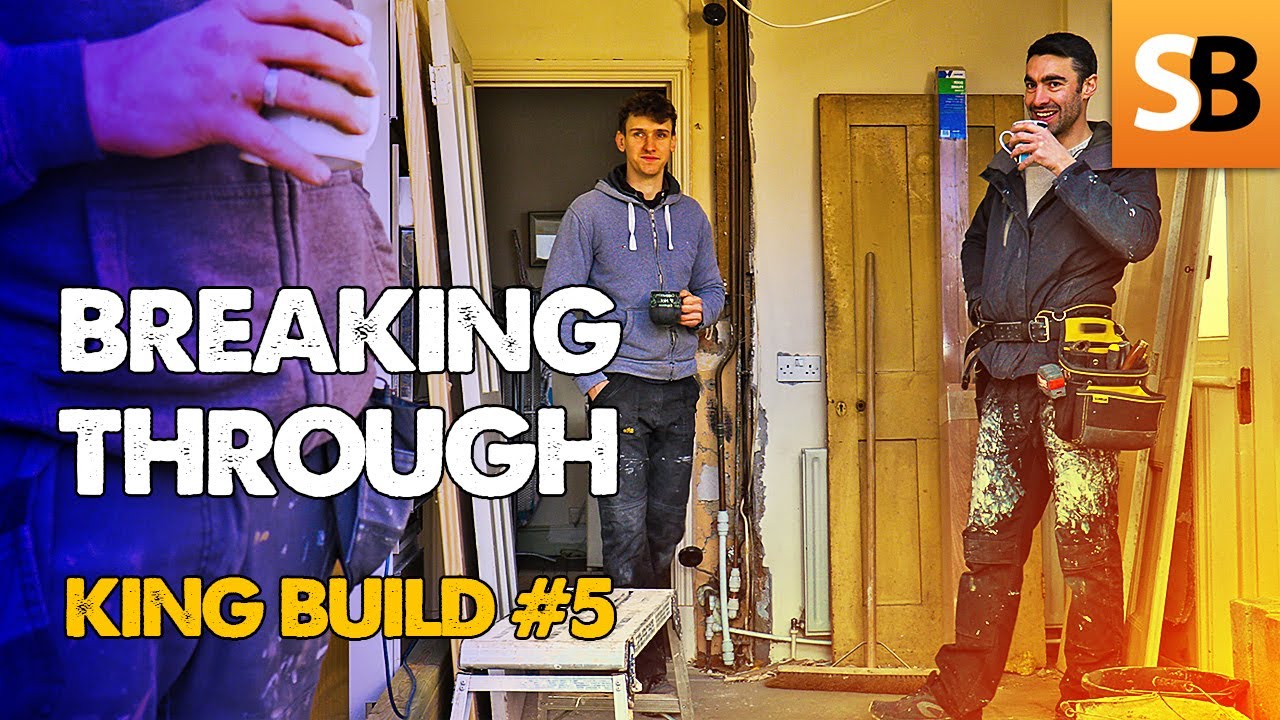
Extension Break Time – King Build #5

0

Breaking out the back end gives them some fresh air, perhaps a little too fresh when the storm blew in.

The Supreme Finishing Company
https://thesupremefinishingcompany.co.uk

How to Build a Timber Frame Garden Room #2

How to build a timber frame garden room episode 2 sees the walls go up and get secured into place by the Skill Builder team. See Robin’s special technique for moving large heavy timbers.

This type of garden room is perfect for use as an office, photographic studio, workshop, man cave or playroom.