Home Blog Page 35

The Ultimate Choices in Work Trousers From Snickers Workwear

New Styles, New Designs and Snickers Workwear’s most advanced work trousers yet – with 4-way stretch.

September sees the next generation of Work Trouser choices from the premier brand of working clothes for professional tradesmen and women. There’s the Flexiwork 2.0 trousers, designed for craftsmen who want nothing but the best. These high-spec trousers are made of durable 4-way stretch fabric that offers a new level of comfort and freedom of movement.

Then there’s the ‘loose-fit’ AllroundWork stretch trousers with a classic Snickers Workwear look and feel plus the new FlexiWork Denim Work Trousers where Workwear meets Streetwear in these slim-fitting work trousers made of washed stretch denim.

Also, take a look at the new regular-fit RUFFWork Canvas+ heavy duty trousers. But the ladies will definitely have a close eye on the ALLroundWork women’s stretch trousers, specially designed and shaped to fit the female anatomy with a narrower waist for optimal comfort and freedom of movement.

All in all, probably the best possible additions to the Snickers Work Trouser range with something to suit everyone, whoever you are, wherever you’re working and whatever you’re doing on-site.

Hultafors NEW Range of Snap Off Knives

Precision, quality and long-lasting sharpness are the hallmarks of these superb new products.

Hultafors Tools has launched a new range of snap off Knives for professional craftsmen and women.

With 13 different knives and 4 long-lasting precision blades, these all-round, ergonomic knives are designed and built to suit a wide range of jobs on site. From industrial and warehouse applications to specialist work on-site – from like cutting boxes open and shaping plasterboard, to trimming flooring and paring cables.

Adaptable Snap Off Knives

Symmetrically designed so that the blades can be turned over, they’re adaptable for both left and right-hand use so that left-handed craftsmen and women can adapt the knife rather than their own usage.

What’s more, the blades are available in three widths of 9, 18, and 25mm, with different blends of sharpness and long life built in to suit regular hard work on site.

Getting more information on the Hultafors Tools product range easy. You call the Helpline on 01484 854788 or check out www.hultafors.co.uk and download a digital catalogue.

Is Off-site Construction the Future?

What is off-site construction?

Off-site construction is the completion of elements or components for a structure at another location in a factory environment. Sometimes these components are assembled before being delivered to site. The off-site construction factories can either be permanent factories or ‘flying’ factories. ‘Flying’ factories are temporary facilities set up for a specific project and then moved once the project is completed. Off-site construction requires intense planning and design before fabrication and assembling can begin.

What are typical off-site construction methods?

Volumetric or modular systems is one of the most popular off-site construction methods. Whole rooms or parts of a building are fabricated off-site. These modular systems can either be assembled off-site and transported to site for placement or assembled on-site, where they need minor finishes.

Structural insulated panels are high-performance insulation systems. They generally consist of thermal insulation between two sheets of oriented strand board. These can be used if a building or structure needs to be made weatherproof quickly. They are transported to site in panels.

Prefabricated materials are materials that have been prefabricated ahead of time in a factory environment before being transported to site. An example of this would be precast concrete and prefabricated steel reinforcing.

Pre-assembled components is when various components and elements are gathered and assembled under factory conditions into a finished product before being transported to the site. Instead of assembling on-site in unpredictable conditions, pre-assembled components can arrive all ready to be installed.

How is off-site construction the future of construction?

Off-site construction comes with a lot of advantages that will help the UK building industry meet its goals set out in the Construction 2025 Strategy. Construction 2025’s main goals for the construction industry are;

  • 50% reduction in carbon emissions
  • 50% reduction in time spent on site i.e. faster delivery of the end product
  • 33% reduction in the initial cost of construction
  • 3% pa growth in the industry until the year 2025

Off-site construction helps reduce carbon emissions because there are fewer deliveries to site and off-site construction is both sustainable and relocatable. Construction sites that use off-site construction methods are shown to be 70 – 80% more efficient than traditional sites that are only 30% efficient. This is because of the high-quality control exercised in a factory setting as opposed to on a construction site, this also leads to less waste. Showing that off-site construction will help in the reduction of carbon emissions.

It allows for shorter construction time, meaning faster delivery of the end product. Installations are faster, cutting down on operation time and skilled labour needed. It is reliable and not weather dependent, no more delays due to rainy days and bad weather.

Off-site construction increases site cost predictability, which helps in the reduction of the initial cost of construction. There are less hidden expenses when it comes to off-site construction and there are early returns due to the quick finishing times. The designs are more lightweight and therefore money is also saved on the design and construction of foundation and structural supports.

There is also an increase in on-site safety. Because components are preassembled and transported in, there is less time spent at extreme heights doing construction works making it a safer environment to work in.

What are the disadvantages of off-site construction?

Off-site construction does come with its own unique set of disadvantages. Certain volumetric systems are structurally bulky which means that the floor to floor heights and wall thicknesses can be affected. Transportation limits and restricts the size that modules and panels that can be delivered in one piece. If it can’t fit on the truck, it’s not going anywhere. Design of spans and configurations can be restricted depending on the factory size. Future renovations and changes to the existing structures are more difficult, thus affecting the flexibility and changeability of the structures.

Off-site construction is definitely the future of the construction industry. The advantages far outweigh the disadvantages. It also is in line with obtaining the goals that have been set out by the Construction 2025 Strategy for the UK building industry. Off-site construction will help in the reduction of carbon emissions, increase final product delivery and reduce the initial costs of construction. With the help of off-site construction, the hope is that the construction industry will continue to grow at a rate of 4.3% per annum as predicted by the Construction 2025 Strategy.

Bio

Martin Heaton is Owner and Director of Heaton Products, a Midlands-based manufacturer and supplier of building products, materials, and equipment to the construction industry. The home of Trestlemate, Propmate, Pull Up Mate, and Up-Rite, Heaton Products is an innovative leader in the development of products that help construction projects become safer, more economical, and more efficient.

Omnie LowBoard 15 Underfloor Heating

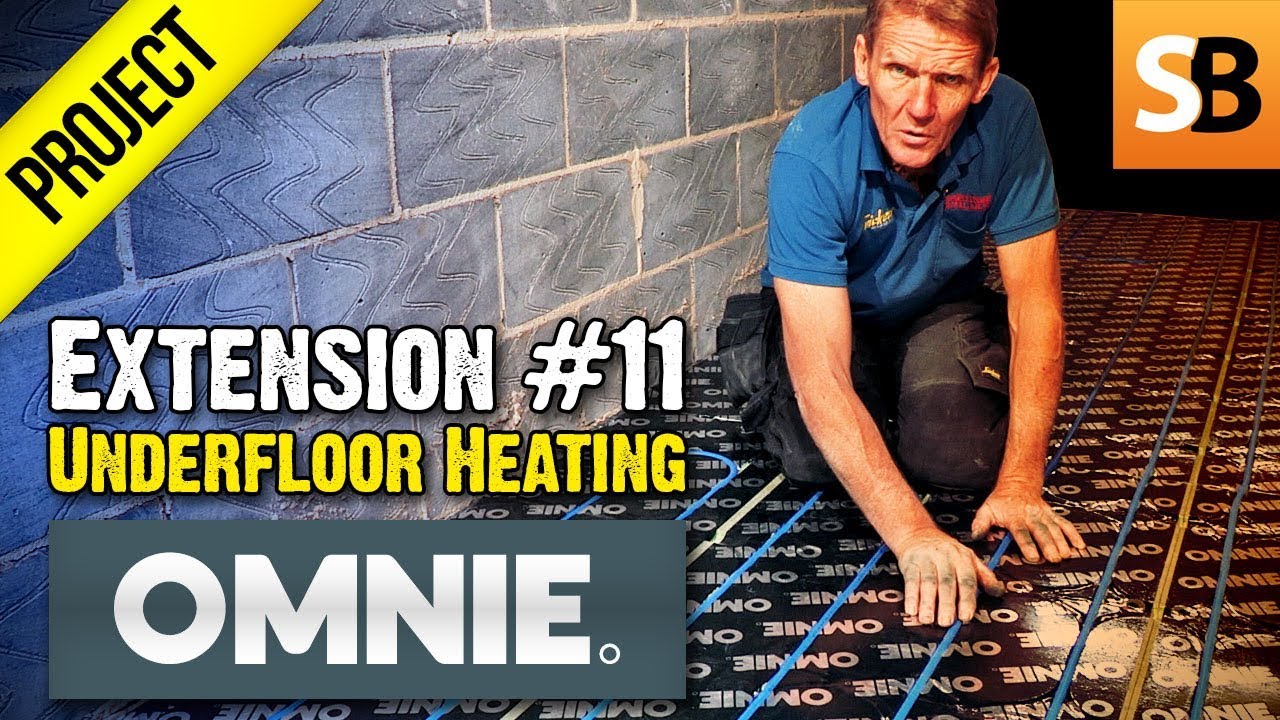
Roger is back with the next episode of our extension series and he has an Omnie underfloor heating system to install.

The first floor is completed using Omnie LowBoard 15. LowBoard is a 15mm thick square-edged wood board water underfloor heating panel floated or mechanically fixed over a flat and even timber or solid subfloor.

To avoid underfloor heating problems when using tiles, we recommend LowBoard is mechanically fixed, you’ll also need to refer to the tiler’s recommendations.

The low panel height makes it suitable where there’s limited floor-to-ceiling height to install a conventional underfloor heating system.

The panel has a multi-directional design for ease of installation. The universal panel is simply laid across the floor with no loop ends and straights to configure. The foil diffuser further increases the output and is pierced as the pipe is pressed into the channels.

A finished floor deck or 6mm ply, MDF or similar is mechanically fixed over the LowBoard panels to complete the floor.

Omnie LowBoard Spec

OMNIE LowBoard system using 12mm PE-RT pipe to DIN 4726.

The 15mm LowBoard panels to be laid fully-floating or mechanically fixed as a continuous layer over a sub-floor. Next, a minimum of 6mm covering layer such as flooring grade ply is then mechanically fixed over the LowBoard panels. If timber or laminate is used there is no need for a covering layer on top of LowBoard.

For tile & decorative floor finishes the LowBoard panels will require fixing to screed or a deflection free timber floor with a minimum 6mm flooring grade ply or tilebacker board mechanically fixed over.

Please refer to the Tilemaster Adhesives Ltd specification guide (IG UFH 23, see link below) or obtain specific conformation and guidance from floor finish installer or manufacturer/supplier.

The system is to be designed, installed and commissioned to BS1264.

See more on underfloor heating on Skill Builder.

See our Timoleon underfloor heating video: https://youtu.be/DWc8L3_t8y8

The Modern Slavery Act – What You Need to Know

You’ve probably heard of the Modern Slavery Act but you might be unsure about whether or not it affects your organisation.

If you are part of any kind of supply chain the likelihood is it does and acting now can protect your business and ensure you don’t lose contracts in the future.

This article from CHAS (The Contractors Health and Safety Assessment Scheme) will help you to understand how The Modern Slavery Act affects you and what you need to do about it.

What is The Modern Slavery Act?

The Modern Slavery Act 2015 is an Act of Parliament designed to combat modern slavery in the UK. Modern Slavery is defined as the recruitment, movement, harbouring or receiving of children, women or men through the use of force, coercion, abuse of vulnerability, deception or other means for the purpose of exploitation. The Act consolidates previous slavery and trafficking offences.

Who does it affect?

Under Section 54 of the Modern Slavery Act private companies with a turnover of more than £36 million have to publish an annual “slavery and human trafficking statement” on their website setting out the steps that they have taken to address modern slavery in their business and supply chains.

For businesses within these supply chains, this means they may be asked to share what policy and provisions they have in place to tackle modern slavery.

Modern Slavery Act

How effective is it?

Currently, it’s only the publishing of a slavery and human trafficking statement that’s compulsory and it’s acceptable for companies that meet the threshold to say that they haven’t taken any action.

Consequently, the Act has been criticised for failing to drive real change. However, it is a flagship piece of legislation for the United Kingdom the Government’s response to an independent review of the Act published in July 2019 suggests it could soon be set to become a lot tougher.

In the meantime failing to take action is likely to attract bad publicity and in the long term, organisations are expected to build on their statements year on year so it is likely to gain momentum.

What’s more, an increasing number of companies who fall below the £36 million threshold, along with organisations in the public sector, are now voluntarily publishing transparency statements so it has become more than just a compliance issue.

Isn’t slavery a third world problem?

No, and according to the 2018 Global Slavery Index the scale of modern slavery within the UK is much higher than previously thought with an estimated 136,000 people living in modern slavery in the UK today.

Latest National Crime Agency figures show a continuing upward trend with the number of potential victims identified to the authorities rising by 36% in a year. In 2018, 6,993 potential victims were reported, up from 5,142 in 2017 and 3,804 in 2016.

A 2018 report from The Chartered Institute of Building (CIOB), says construction ranks second only to the sex industry as the sector most prone to exploitation.

The report also highlights that slavery in wealthier nations such as the UK is particularly lucrative for traffickers with the International Labour Organisation estimating that a trafficked person may generate $34,800 a year in destinations such as the UK in contrast with US$3,900 in Africa.

An ongoing skills shortage and falling numbers of EU workers coming to Britain following the Brexit vote is intensifying the problem.

What does slavery in the UK construction industry look like?

According to the Home Office, the majority of victims in the UK construction industry are Eastern European men who are promised a job in the UK and then forced by traffickers to work as labourers, for little or no money.

However, the CIOB suggests that slavery can take many different forms; an example of low-level slavery might include not paying holiday pay or not paying someone’s wages while at the other end of the spectrum it includes imprisoning workers.

Homelessness charities stress that there are clear links between trafficking, modern slavery and homelessness. The Homeless Link, a membership charity for organisations working with the homeless, says there is a dual issue in that people may become homeless after escaping exploitation, or be targeted by traffickers while using homelessness services.

It is also worth noting that modern slavery can be difficult to identify and often hides in plain site with language barriers posing a particular challenge to understanding whether someone is being exploited.

What should you do next?

In short wherever you fit into the supply chain modern slavery is on the rise in the UK along with the moral and legal obligation to deal with it.

Failing to address the issue may prevent you from operating in certain supply chains in the future resulting in the loss of contracts so the time to act is now.

Contact CHAS today on 020 8545 3838 to find out about the range of CHAS accreditation packages that can help, or visit www.chas.co.uk for more information.

TAKEAWAYS: Five things you need to know about the Modern Slavery Act

  1. Modern slavery is on the rise in the UK increasing by 36% in the last year according to National Crime Agency figures
  2. The Modern Slavery Act currently affects companies with a turnover of £36 million but some smaller organisations sign up voluntarily so be prepared to be quizzed about your approach to modern slavery by organisations of all sizes
  3. Awareness of the Act and an understanding of how to recognise modern slavery are important first steps in addressing this issue; modern slavery isn’t always obvious so vigilance is key
  4. As a contractor you could lose business if you fail to act; not addressing modern slavery may prohibit you from operating in certain supply chains

PDF Downloads

CIOB Report on UK Construction and the Modern Slavery Act

Modern Slavery: A briefing for the construction industry

IOBAC Magnetic Flooring System – Perfect for LVT

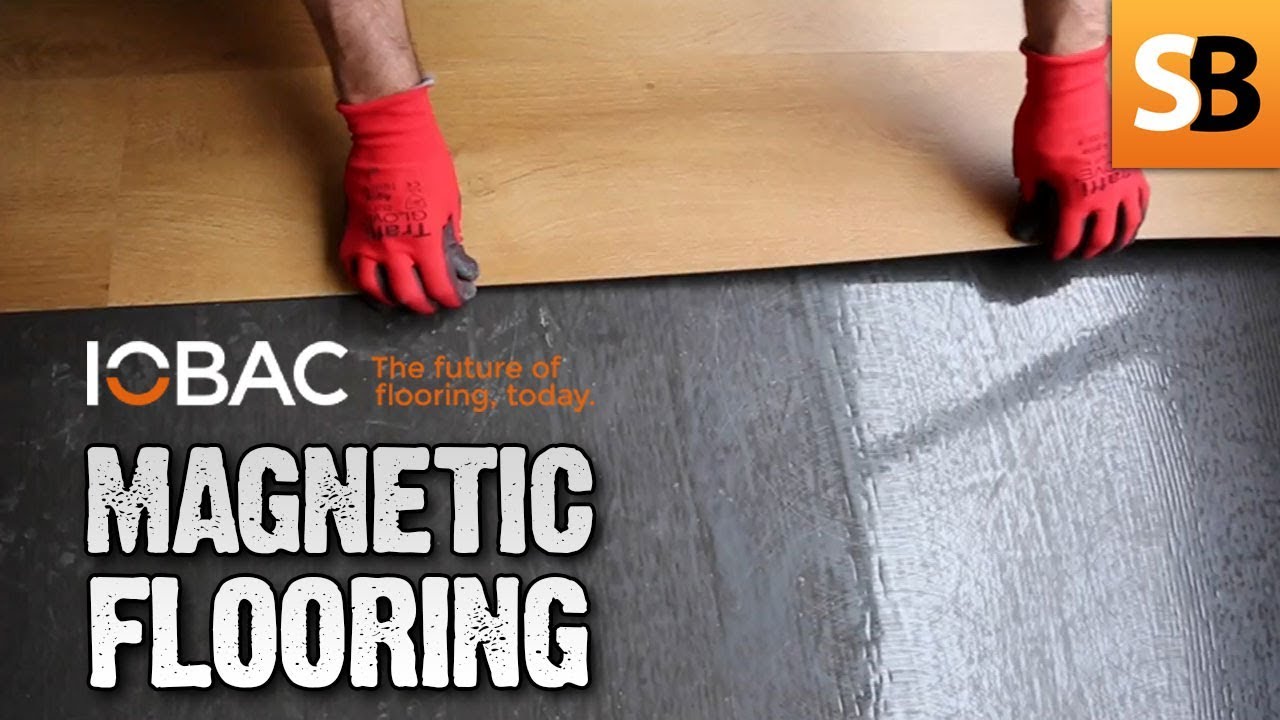
Roger is very curious about a magnetic flooring system from IOBAC, so he visited them in Basingstoke to see how it works.

Think of the flooring base as being the fridge – it contains metal to which a magnet is attracted.

All IOBAC bases, whether resin or underlay, contain special metallic “para-magnetic” additives for this reason. Or you could use an existing metal raised access floor.

And then the floor tile is the magnet. Magnetically backed timber, ceramic and luxury vinyl flooring tiles are available, or if your selected tile is only available with a standard backing, clever IOBAC MagTabs can be used to attract the tile to the base.

IOBAC Magnetic Flooring Links

How IOBAC Magnetic Flooring Works

Check out iobac.com for more info on IOBAC Magnetic Flooring.

[youtube https://www.youtube.com/watch?v=HEbEVNhOcZ4&w=560&h=315]

More on flooring from Skill Builder.

Peugeot on a Mission to End Reversing Accidents with Surround Rear Vision

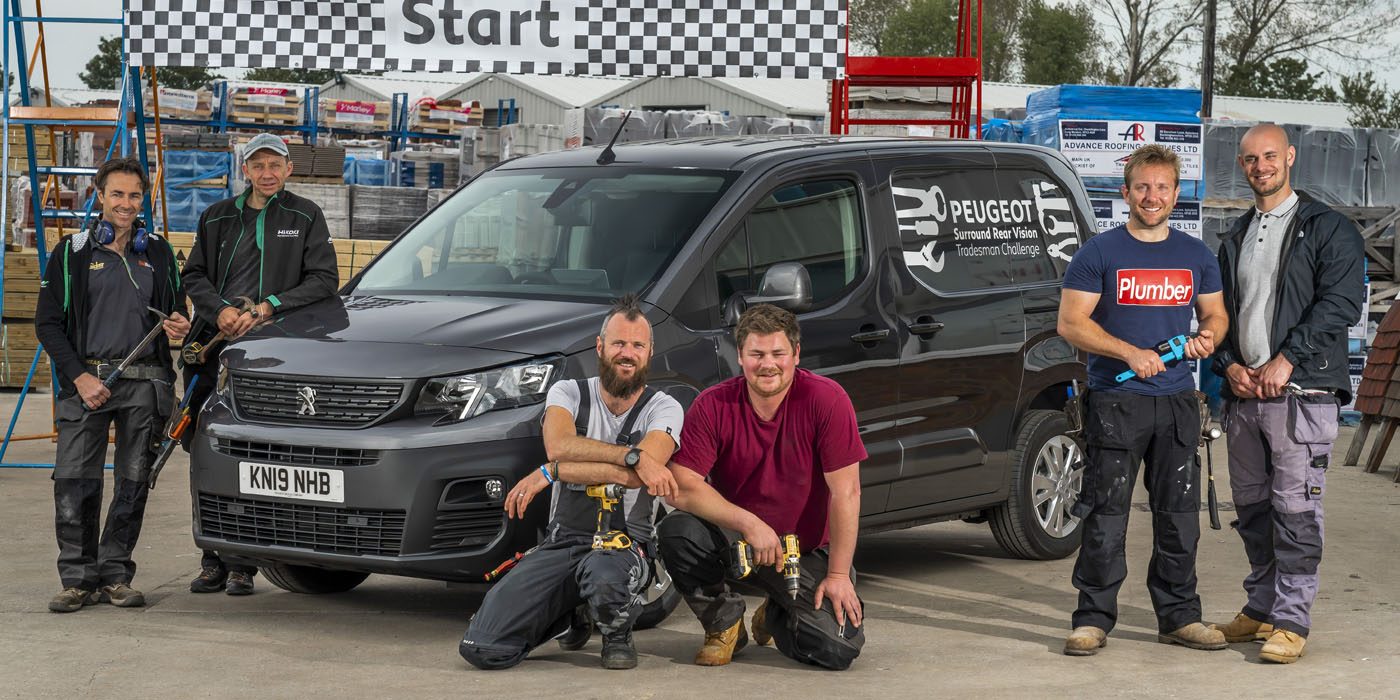
Team Skill Builder represent the trades and go head-to-head and reverse around a challenging obstacle course using the Peugeot Partner van with Surround Rear Vision.

With nearly one-in-10 van accidents occurring when reversing or parking, Peugeot has invited six of the UK’s tradesmen to go head-to-head in a unique challenge to test new safety-boosting technology on the all-new PEUGEOT Partner van.

Plumbers, Electricians and Carpenters used the all-new PEUGEOT Partner van’s Surround Rear Vision to navigate a specially designed obstacle course made up of building site materials in reverse.

Although drivers were timed as they navigated the course, the emphasis was on precision and not speed, as every mistake cost drivers an extra 20 seconds in penalties.

Dodging bricks, pallets and woodpiles, and executing difficult parking manoeuvres, the Electricians came out on top, after safely navigating the course in the quickest time of 4m 49s after penalty deductions.

Surround Rear Vision

Peugeot’s Surround Rear Vision technology has been developed to increase all-round visibility to reduce parking and reversing accidents. Using cameras to monitor the van’s surroundings, with a video feed displayed to the driver, the technology gives drivers a wider field of vision compared to standard side-mirrors.

Research from the Department for Transport shows reversing and parking remains an on-going issue for van drivers, with 1,152 parking and reversing accidents reported in 2017*. These accounted for nearly 10% of all light goods vehicle accidents for the year.

The time spent away from work is compounded by costly repairs. The Association for British Insurers previously estimated average vehicle repair costs in the UK have risen by more than a third since 2013, with the average repair bill following an accident at £2,137**.

David Peel, Managing Director of PEUGEOT UK, said: “Today was about having a little fun with our all-new Partner van and its technology, but also highlighting a crucial safety innovation.

“More than three vans a day are involved in a parking or reversing accident, costing businesses time and money. Our Surround Rear Vision technology will undoubtedly reduce that figure as drivers have a far better view of their surroundings.”

The Surround Rear Vision system features two cameras, one located at the base of the passenger side door mirror and the other at the top of the rear panel doors. The footage is relayed to a digital screen that replaces the conventional rearview mirror, giving drivers the best possible exterior visibility from inside the vehicle.

AJ Cookson, from the winning team of Electricians, said: “A reversing or parking prang can easily cause damage to our vehicles and disruption to our businesses. This not only means we’re unable to use the van for work while it is off-road for repairs but also hits our insurance premiums.

Scruffy looking vehicles also project a poor image to our customers – we want our vans to look as good as the job we’re there to do.

“The Surround Rear Vision system takes a lot of the stress away when reversing, especially in our blind spots. With panel vans, we have no rear view mirror to use, so technology like Surround Rear Vision is a huge benefit.”

The all-new Peugeot Partner van comes with four trim options: S, Grip, Professional and Asphalt. Surround Rear Vision comes as standard on Asphalt trim and is an optional feature across the rest of the line-up.

Standard equipment also includes PEUGEOT’s i-Cockpit®, an overhead storage shelf in the cab, DAB radio, automatic headlights and Peugeot Connect SOS. Standard and Long body options are available with payloads ranging from 667kg to 1,050kg, depending on model.

To find out more about the PEUGEOT Partner van, visit: peugeot.co.uk/professional/discover-our-commercial-vehicles.html

More from Peugeot on Skill Builder.

Snickers Workwear’s NEW Loose-fit Stretch Trousers for Maximum Mobility On-site

Hi-tech stretch fabrics and ergonomic designs ensure close quarter mobility at work.

With a range of new AllroundWork stretch trousers available throughout the UK, there’s plenty of flexibility for every professional craftsman and woman to stretch their performance on site comfortably.

The new stretchy work trousers for men have a loose fit for a classic Snickers Workwear look and feel, with stretch Cordura for increased durability as well as improved ventilation and close quarter mobility.

What’s more, the new slim-fit work trousers for women are shaped to fit the female anatomy. The ergonomic ‘women’s fit’ includes wider hips and a narrower waist for a street-wise, fashionable look with optimal comfort and freedom of movement built-in.

So check out these newest designs – the optimal choice for craftsmen and women who need to get their jobs done comfortably on site.

Getting information on the Snickers’ new stretch work trousers is easy. You can call the Snickers Helpline on 01484 854788, checkout the website and download a digital catalogue at www.snickersworkwear.co.uk or email info@snickersworkwear.co.uk

5 Ways Builders Can Boost Their Online Presence

0

Caroline Pegden from TempaGoGo, an online temporary recruitment marketplace helping construction companies and builders find temporary staff easily, describes five ways builders can boost their online presence.

What distinguishes the construction sector from other UK industries? Its sheer number of workers who are self-employed. According to a 2018 Briefing Paper from the House of Commons, self-employed jobs in construction account for 37% of all jobs — almost three times the average for the whole economy.

‘Self-employed’ encompasses both freelancers and businesses — of which there are 1 million in the UK alone, 17% of the national total.

Both groups should be looking to boost their online presence — to look for paid work on the one hand, and potential clients on the other.

In 2019, the UK construction sector is increasingly moving towards digital solutions on-site — think cloud computing and Building Information Modelling (BIM).

So why not bring the power of technology to your business? Here are five easy and inexpensive ways builders can boost their online presence, and drive more business, without breaking the bank.

  1. Optimise your website

Or create one in the first place! Research from the Approved Index indicates that almost 2 million UK SMEs do without a website, ¾ of which operate as sole traders.

Yet your website will be the first port of call for the majority of your customers, even if you operate on a ‘word of mouth’ basis.

Why is it so important to have a website?

Because it’s accessible 24/7, while you may be open from 09:00 to 17:00. Because it enhances your credibility and may give the impression that your company is actually bigger than it is.  Because more than 80% of people research product information online before they make a purchase online, according to the eCommerce Foundation.

How do you start?

Nowadays, there are many easy and cost-effective ways to create a website, without resorting to a third party agency. Wix, SquareSpace or free WordPress templates such as Sydney are a great place to start.

Ensure that your website is free of typos, is clear in its layout and easy to navigate. Don’t forget to include a visible ‘about us’ and ‘contact’ page and appealing photos, so visitors can be sure of what you’re about, and a number of explicit ‘call to actions’ driving your potential customers to call or contact you.

Once you’ve mastered the basics, experiment with an online quote system, or even guest blogs — a great way to give your site more authority.

2. Google Ads and SEO

Once you have your website up and running, you could consider using Google Ads to maximise exposure through the world’s largest search engine.

How does it work? In short, you bid on certain keywords (e.g. ‘home improvement’, ‘bathroom fitting’, ‘need a builder’) in order for your website to jump up the Google rankings. You pay a small sum (roughly between 50p and £3, depending on the choice of word) and pay whenever somebody clicks on the ad taking them to your website.

Ideally, you would want to have your business listed ‘naturally’ or ‘organically’ near the top of Google’s search rankings, without paying for ads. Luckily, this is perfectly achievable!

In short, Google ‘rewards’ you for doing certain things online — this is known as SEO, or Search Engine Optimisation.

What are these mysterious activities? It’s quite simple — you need to create content that is both relevant and authoritative. Having a blog on your website is a great way to achieve this, as you can write posts using keywords used by potential clients. Offering industry insights is another sure fire way to put you on good terms with Google. This article offers more in-depth advice on how to optimise your website for SEO.

In terms of authority, the aim of the game is to get bigger websites to put links on their page back to yours. Imagine a bathroom fitter looking to gain exposure to more customers. If they write an article for their local newspaper, let’s say about why the town needs to encourage more people to set up their own business, and the newspaper publishes the post online with a link to their website, then they boost their online presence and visibility directly, whilst pleasing Google. A win-win situation, though the SEO route requires persistence.

3. Leverage review websites

Review websites such as Feefo or TrustPilot are a great way to establish your online presence, increase your credibility, receive customers’ feedback, promote your company in other channels and strengthen your SEO – all in one.

It takes around 5 minutes to set up an account on Trustpilot for example, and their simplest package is free.

4) Get your company listed in online directories

Especially if you’re a local business, being listed in online directories is generally free, doesn’t take much time, and is great to boost your online presence, and your organic ranking at the same time.

You can find in this article a list of the top directories to list your company. This includes Yell, Free Index, 192.com, to name a few.

5) Join an online builder “marketplace”

A number of online marketplaces have emerged, connecting customers with trusted builders and tradespeople, such as checkatrade.com, mybuilder.com, ratedpeople.com. It can be a great way to help you find work and new customers and build your profile, online.

To conclude, when looking to increase customers, it is tempting to brandish your name left, right and centre. More exposure means more clients, right? However, this scattergun approach is both inefficient and ineffectual. To Instead, pick two or three sites and set aside time every few days to produce relevant and engaging content. This is an optimal way for builders to boost their online presence.

If you are a builder looking to convince potential clients of your credentials, why not set up an Instagram or Pinterest page? Here, you can post high-quality images of your latest work, with or without a filter! Or to generate interest, creating a ‘how to…’ YouTube series would be a good way to establish your authority. It’s not all about Tweets!

Crucially, you need to identify your target audience. Taking the example of our bathroom fitter, it would be a waste of time to target a young demographic — you will be looking for homeowners with sufficient resources to outsource the repair.

With a bit of initial planning and subsequent tinkering, moving your business online will set you out from your competition, impress Google and ultimately increase your client base. Get clicking now!

How to Create a Scarf Joint like a Pro with Robin

HiKOKI Cordless Saw

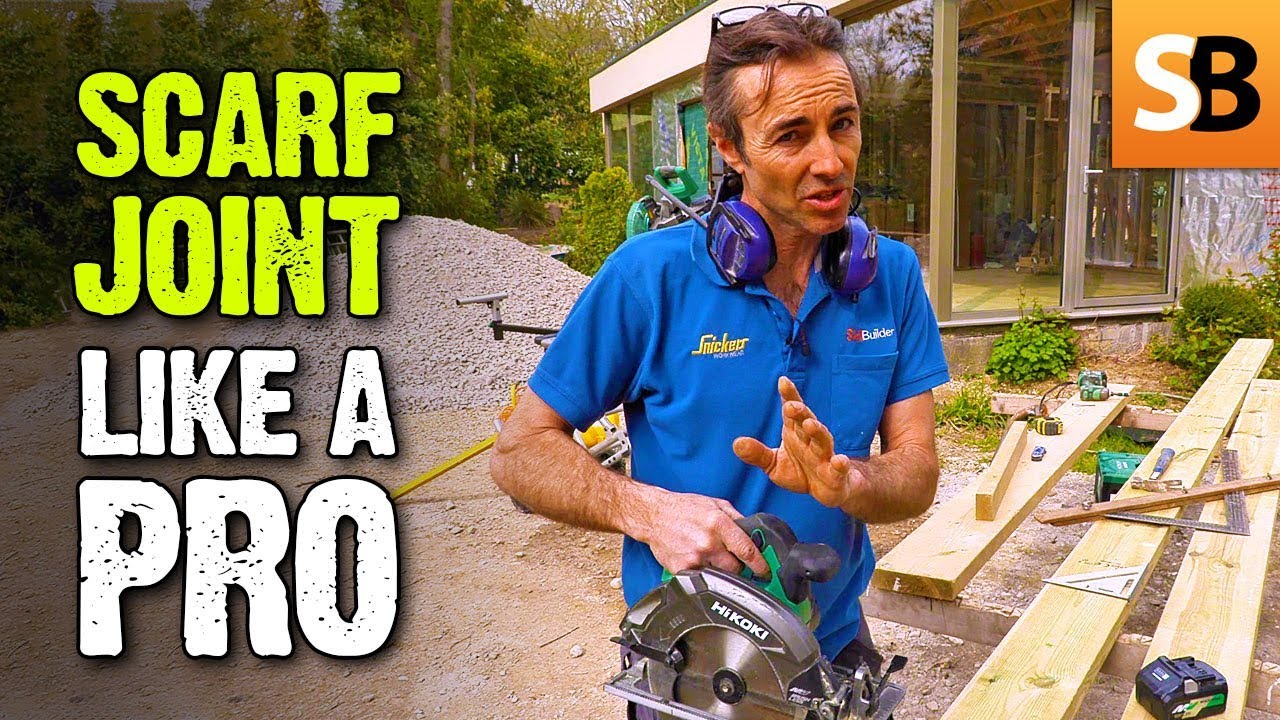
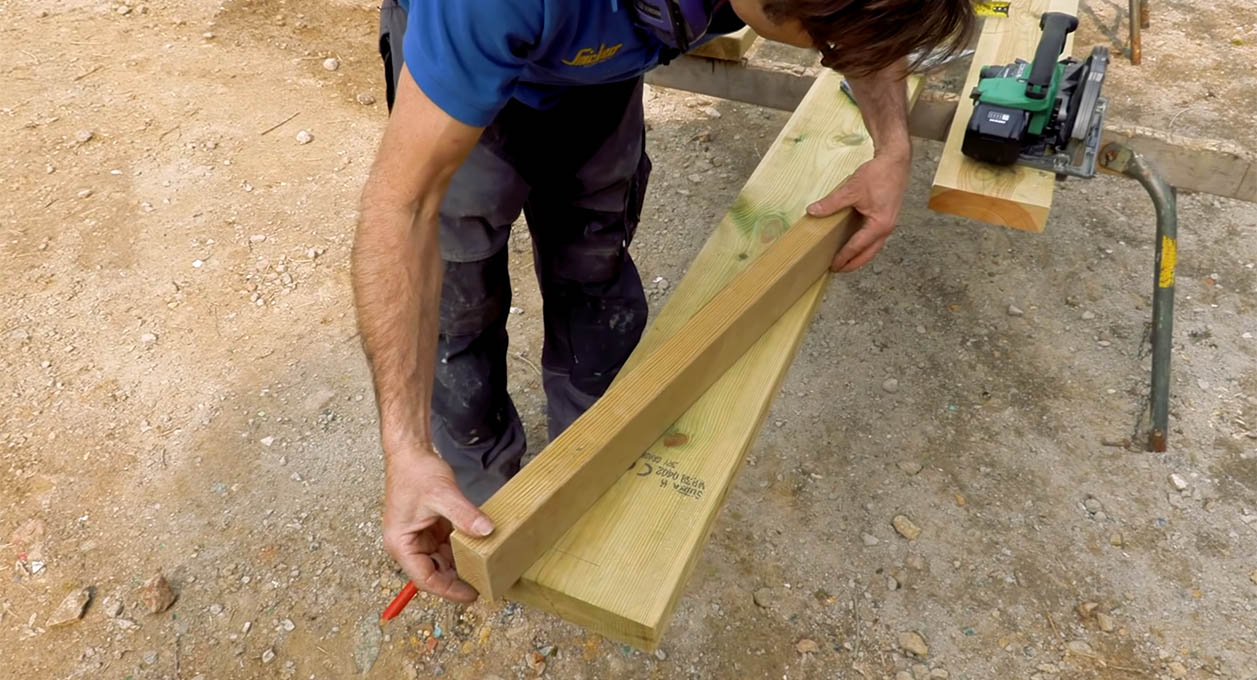
Robin loves a scarf joint and in this video, he shows you how to create a scarf joint using his new Hikoki 36v cordless circular saw.

If you’ve got two lengths of timber that need to be joined together, it’s time to create a scarf joint. Calculate the height of the timber times three which is the length for the joint.

What we do is create a set of folding wedges. When we drive the folding wedges together it pushes one timber one way, it pushes the other in the opposite direction, and then we finish it with a mechanical fixing in the centre. The joint will hold without a mechanical fixing, but we like a belt and braces approach.

In fact, I often use them without mechanical fixing. There’s no glue involved. Quite often if it’s a hip rafter, for example, which is where I use them all the time, or a ridge.

Because of the length of the joint, you might have a jack rafter fixing right over it, sometimes in a couple of places, and that actually clamps it. It’s a beautiful job.

The other thing to say about the riving knife, if you’re cutting a lot of sheet material, make sure your sheet material is well supported, because as you’re going through, if it gives you a little bind, whereas the riving knife would hold that bind, this isn’t going to do that.

It’s likely to kick back, so you got to avoid that. Make sure your work’s well supported. The battery, again, 36 volts, this one’s fully charged, just come off charge. Take’s about 25 minutes, it’s really good and the high output batteries perform well.

It’s got your indicator on the back, which shows you how much life it’s got. This will run until it’s finished. There’s no dullness. It will run, run, run, and just go boom, finished.

Marking Up

Let’s mark up the simple scarf joint. We just need a couple of bits here. This is the length of timber I’m going to put the scarf joint on. We only have to mark it out once. Even though it’s two pairs, it’s two parts to it, we only have to mark it out once. Let’s just that bit of shake off there.

The joint principle is three times … the length of the joint is three times the height of the timber that you’re joining. I’m going to round this up, just simply, to make it a little bit easier. I’m going to hold it 180, so it’s 300 plus 240. It’s 540. That’s the length of the joint. That’s three times the height. I’ve just got another shoulder line there, over to the other side.
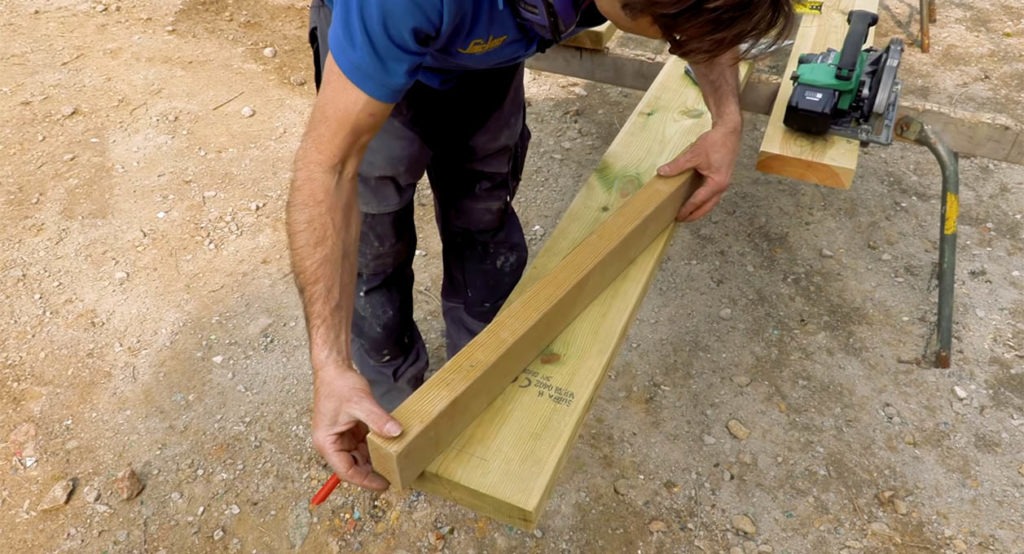
Creating a scarf joint

I’ve got a section of timber (above), which is exactly the same thickness that way. I take the outside to the outside, and I’m going to mark on the opposite side, here. Then what I’m going to use is my speed square to run a couple of shoulders in.

Getting the angles right

It’s a 90-degree shoulder and the same on the other end, coming back there 90 degrees, there. And then all we need to do is put one in the middle, the same principle.

We’re going to cut that out now. Just going to check this is square out of in and out of the box. Pretty nice. This is where the magic begins. This usually happens on a customer’s drive, or anywhere I can find the space.

As you know, timber isn’t an exact science. A natural product, it moves, it bends, it bows, and we got to go with that sometimes.

You’ve got a stack of timber, you pick out the straightest ones for the most important components, a little bit like this. What I need to do is add this whole length onto the end of there, so I need a bit of space for that. Find a nice flat spot on the drive.

I’m going to run it over here, there. We get our piece we’re joining on, make sure the best end of it is going to be joined with that joint. If there’s any cup in the timber, that’s when the timbers go like that. Try to marry the cups up, don’t have the opposites.

Wood grains

Sometimes, just by looking at the end grain, you can see that if you match the end grain the chances are the cup’s going to be in the right place. But this particular structural timber is perfect and I haven’t really had a problem with it.

I’m going to lay that on the ground, and we’re going to lay that over the top, here, brush it off. But the most important thing now is to figure out which is the top of your timber. So, if this is the top of my timber I’m going to give it a little bit of bow. So when the joint goes in, and it goes into compression, it goes straight. It can only go straight.

It doesn’t sink. I’m going to look down that now, make sure it’s nice and true and straight. You can do a string line as well, but I know, from experience, where it needs to be, to be straight, and that’s it.

Now, it’s a matter of marking the male to the female with a pencil, and you can’t get better than that. If you try to mark the joint out to two separate bits and put them together, chances are you’ll have a few gaps, or it won’t exactly fit.

Now, there’s one more bit we need to cut, which is here, and the same there. You see, I’m just roughing it in. That’s 18 millimetres, roughly. That’s for a pair of folding wedges. I’ll put that back up on here. And we just make sure we’re going to cut off the bit we want to cut off, to repeat the process.

I’m going to mark my extra shoulder and cut that as I do it. The joint’s nearly ready, just got to adjust this one. The last bit to make is a pair of folding wedges, and we can just take that off of another cut.

Create a Scarf Joint with strength

Okay, now. We’ll demonstrate how strong this joint is. There are our folding wedges, will go in there. What I like to do is attach one, so when I push the other one, it doesn’t move. All right. We’re just going to tack that in there now.

It’s heartbreaking to see that. When I started putting this joint together, I used that to mark it, which is the same thickness. The only reason I do that is so when I make my folding wedges, it’s the right thickness. And it’s just years, and years, of trying them, practice.

You just think of the quickest way. It’s just an offcut. It’s all it is. Now, we need to demonstrate the strength of this, so we need a couple of bits of timber supported, and we’ll walk across it once it’s wedged together.

Get more wedge, pull that one over. The principle of this joint, I’m just going to mark an arrow on it in two places. That’s what’s happening as we bang the wedges in, a gentle tap. You can see, it’s pulling up now to the shoulder.

A good outcome

What do you think about a joint like that, straight off a circular saw? I mean, it’s what you want. This joint isn’t designed … It’s not for a floor joist, so don’t span big areas and do it for floor joists. It’s ideal for a hip rafter, side rail for a ridge, so the ridge will stop it from pulling apart.

Hip rafter’s got lots of support by jack rafters, but I’m just going to demonstrate. I’m only 65 odd kilos. I’m going to have a little walk across this, just-

I’m just strolled across it, to show that the strength is there and it won’t buckle under pressure.

I made the scarf joint with the HiKOKI brushless 36-volt cordless saw and it performed well and coped with it. The timber was fantastic structural timber that’s been dried out for ages inside, and it cut with no problem.

Now, if you want to see some more tips and tricks, just keep checking back to the channel. Please subscribe to our channel and check back for more carpentry tutorials.

Further Reading

More carpentry tutorials with Robin Clevett.

See more HiKOKI products on Skill Builder.

Find out more about the HiKOKI 36v Circular Saw.

Damp in the Extension & Solo Building – ASB #16

Send us your pictures and videos: http://skill-builder.uk/send

Alex Porter is trying to fix a leaky tap and replace the cartridge.

Bandy has an outbuilding attached to the side of his house that suffers from damp and mould during the winter.

Bill Booth is building an extension and wants to reduce thermal bridging.

Neil Lennon is trying to overhaul his sanitary wear in his ensuite bathroom on a very tight budget (while managing Celtic).

007 is a self-taught builder who has watched our bathroom videos and is learning tricks of the trade and has decided to build a wet room for his mum using an Abacus Infinity Single Fall Shower Tray.

Tim Margereson is a sole trading builder in North Norfolk. He does entire jobs from footings to finishings except for electrics or heating all on his own and only works for about a dozen customers and keeps doing the rounds for them year after year. He invited us over for a cup of tea!

NEW from Solid Gear – the Onyx Safety Shoes and Boots

Great value safety footwear with the unique BOA closure system for maximum comfort.

Nowadays, good safety footwear is part and parcel of a comfortable day’s work on-site – just like good working clothes and quality hand tools.

Combining maximum comfort and protection with a robust and durable design, Solid Gear’s Onyx is available as a shoe or a boot and ideal for different types of on-site work.

This EN-accredited footwear has a modern-looking style that integrates a seamless upper and Cordura reinforcements with a poured polyurethane midsole, a breathable footbed and strong rubber outsole for maximum grip on slippery and uneven surfaces. Metal-free protection comes from the fibreglass toecap and penetration board for extra personal safety.

What’s more, the unique BOA Closure System – used on many top-brand sports shoes – distributes the pressure of the fastened shoe evenly across your feet to ensure a glove-like fit all day for maximum comfortable protection.

To get more information on Solid Gear – the Next Generation of Safety Footwear – visit the website at www.solidgearfootwear.com alternatively, call the Hultafors Group UK Helpline on 01484 854788.

#10 ~ Keeping Track & Organisation

0

Robin & Roger are back with another podcast episode to help you in your everyday work life and we’re looking at getting organised and keeping track of materials, time and even ‘people’.

We’ve managed to get to 10 episodes without mentioning Brexit but we slipped in this episode so sorry about that, it’s only a little bit!

Transcript to follow.

New Plaster Research Heralds the End of Lime

New plaster research heralds the end of lime

While conservation officers and others are keen to ensure the use of traditional lime-based plasters and renders on listed and heritage buildings; research into new technology by Safeguard Europe – the UK’s leading specialist in damp-proofing and waterproofing technology – suggests that better, more effective options are available.

The preference for lime plasters in conservation applications today is because of their perceived traditional material composition and, especially, breathability – allowing walls to attenuate moisture to the environment.

However, in the face of rising or penetrating damp, lime plasters can start to fail. This is especially the case where the dampness introduces salts into the plasterwork. Furthermore, new research shows that lime plasters are far from the most breathable of their kind; and modern hybrid ‘hi-lime’ or damp-resistant materials are far more effective.

In these tests, hi-lime plasters were shown to allow transmission of around 1.2kg/m2 of water vapour over a fourteen-day period, compared to 0.85 1.2kg/m2 for a traditional mix of 3:1 sand and lime. More interestingly, recently introduced proprietary damp-resistant and fast set plasters were also shown, over two weeks, to transmit 1.55 kg/m2 and 1.48kg/m2 of water vapour respectively.

Consequently, there is a need for internal plastering systems that are impervious to damp; while not creating the problems associated with a sand and cement system: condensation risk and vapour impermeability.

SE1909HP Safeguard Europe Heritage Plasters Research

New ‘second generation’ plastering systems have been introduced that are more resilient to dampness and salts than traditional plastering methods. These modern systems are capable of being applied to walls that are still damp and can resist high levels of moisture and salt ingress. The make-up of these plasters means they have large pores and a high pore volume. This allows salts to form within the plaster rather than on the surface; and the high pore volume results in thermal resistance, reducing the risk of condensation.

Other properties include a 0.3m2 compressive strength, ensuring that the plaster can easily be removed later without damaging underlying brickwork; high water vapour diffusion (breathability) and conformity for the EN998-1 CE Standard as ‘Renovation Mortars’.

While traditional plasters have been used on internal walls for thousands of years to create smooth, decorative surfaces – lime-based plasters were used in Jordan as long ago as 7500 BC, and clay and gypsum in ancient China and India – the orthodoxy around plastering in listed and conservation environments, save when special materials or skills are demanded; can now be effectively challenged: and in the best interest of heritage buildings too.

For further details of Safeguard’s advanced, high-performing hi-lime and damp-resistant plasters, visit www.safeguardeurope.com/products/dryzone-system

The NEW ProtecWork Protective Clothing From Snickers Workwear

Fully accredited, advanced Protective Wear for heat and flame, electrostatic and chemical risk environments from the UK’s leading workwear innovator.

ProtecWork is a new collection of protective working clothes and accessories from Snickers Workwear, which has developed out of over 40 years leading the workwear industry – and through close consultation with users and employers in the railway and energy sectors around Europe.

The market-leading risk-protection properties of the clothing are integral components of the extensive range of Base-, Mid- and Top-Layer garments for men and women that combine well with the Snickers Workwear hallmarks of best-in-class durability, comfort, ergonomics and fit.

Fully accredited as appropriate to a variety of risk and weather conditions such as heat and flame, electrostatic, chemical and bad weather working environments, all the garments are manufactured from tailor-made fabrics designed to respond to the demands and risk factors of the conditions in which they’re worn.

So with over 60 different garments and accessories to choose from, you can make sure you get the right protection, visibility, flexibility, comfort and durability. Check out the new Snickers ProtecWork range to fit your workday and well-being on site.

For more information on the new ProtecWork products, visit www.snickersworkwear.co.uk alternatively, call the Snickers Workwear Helpline on 01484 854788.

Tenant Complaints Could Soar with Homes Act 2018

0

Tenant complaints could soar with Homes (Fitness for Human Habitation) Act 2018

www.safeguardeurope.com

The recently introduced Homes (Fitness for Human Habitation) Act 2018 – which came into force in March – potentially heralds a significant increase in tenant complaints against landlords whose properties fail to live up to ‘fitness’ standards according to new research from YouGov.

The findings of the YouGov poll, commissioned by damp-proofing experts Safeguard Europe, show that, in the light of the new legislation, 42% of renters are now more likely to complain about the condition of their homes.

The new 2018 Act supersedes the Landlord and Tenant Act 1985 so that tenants can take landlords to court if their homes are not fit to live in. Although this was theoretically possible previously, it only applied where rents were £52 a month or less (£80 or less in London). The survey shows that not only do 71% of renters pay between £250 and £750 per month in rent; but also over half of them (51%) said that they had lived in homes with a damp problem.

Damp and mould is the largest cause of tenant dissatisfaction with properties and experienced by 51% of renters: a figure rising to 55% in the private sector. Furthermore, 26% reported properties with little or no ventilation in areas of high humidity – a known factor in causing damp problems, especially those arising from condensation, in homes.

YouGov spoke to just over 1,200 tenants in private, local authority and housing association rented accommodation; and the survey showed that the problem cuts across employment, martial and parental status. When considering working status, those employed full time are most likely to encounter damp – 61% – compared to the retired, who are least likely at 31%.

Among families, there is a strong correlation between the number of children and the incidence of damp, with 65% of those with three or more children having issues – unsurprisingly, perhaps, as washing, cooking and cleaning are major vectors of condensation and more associated with larger households.

One demoralising finding is the lack of change in the numbers of groups suffering from damp in the past few years. In an earlier survey – looking at how damp problems damaged house prices – it was found that 52% of tenants had lived with damp; whereas the figure today is 51%, suggesting an ongoing reluctance on the part of landlords to invest in remediation.

Whether tenants will be prepared to complain to landlords under the new rights conferred by Homes (Fitness for Human Habitation) Act 2018 remains to be seen: especially while ‘Section 21 evictions’ are possible. These so-called ‘no fault’ evictions can take place at the end of tenancies, and this section of the Housing Act 1988 is claimed to enable revenge behaviours on the part of landlords confronted with tenants perceived as troublesome, even if only insisting upon accommodation being brought up to fit standards.

While there is a current proposal to amend the Act to scrap Section 21, the many tenants living in properties under Assured Shorthold Tenancies of six months see continuity of residency as important and those suffering with damp may be deterred from exercising their right to complain while the risk of eviction – rather than tenancy renewal – lingers.

Hudson Lambert, managing director of Safeguard Europe says of the findings: “Not only does the survey confirm our experience that damp is a massive problem in the tenanted sector; but also that little progress has been made in the past few years in bringing damp properties up to scratch”.

“Treating damp is not difficult, given the expertise and technologies existing today; and plenty of assistance is available to both landlords and tenants if they seek it. Plainly, the vast majority of landlords aren’t avoiding their responsibilities to provide decent accommodation; yet the mental and physical health impacts of damp, mould and condensation should not to be underestimated and there should be a greater degree of mindfulness about it”.

“We only hope that the next time such a survey is conducted, we see a significant reduction in the numbers of people whose lives are blighted by these problems”.

Safeguard Europe’s range of market-leading, proven damp-proofing solutions is supported by the company’s own highly qualified and experienced staff. The support and know-how they offer is extended to contractors, specifiers and property owners and includes technical advice, specification help, research and even in-house laboratory analysis of plaster and masonry.

For full details of the survey, visit safeguardeurope.com/news/edt1-idt2-home-fitness-for-human-habitation-act-yougov-poll

The Van Insurer Reveals Customers’ Top 10 Vans

0

Investing in a new van is a big decision to make. Between the different makes and models, varying specifications, questions about fuel consumption and insurance costs to consider, it’s hard to decide what’s best for you and your business.

Insurance comparison website The Van Insurer has crunched its quote data from the last 12 months to find the most popular vans amongst those looking for insurance cover.

The data also identified the favourite vans amongst electricians, builders, carpenters and gardeners, and it’s clear that some vans are more popular with certain tradespeople than others. 


Top 10 Vans of 2018

1.     Ford Transit

The Ford Transit pipped all the others to the post to gain the top spot in 2018, with a third of  quotes processed relating to the trusty Transit.

Boasting flexibility and adaptability, three load lengths and driveline configurations, to name but a few perks, it’s easy to see why many van drivers would consider this one a worthy winner.

In fact, it was the builder’s vehicle of choice, with the largest percentage of overall quote requests for the Transit coming from builders. Gardeners also favour the Transit, with this van proving to be the most popular with green-fingered drivers.

2.     Vauxhall Vivaro

The second most quoted-for van last year was the Vauxhall Vivaro.

Vauxhall prides itself on offering practicality and efficiency with this little mover. Boasting strong styling and serious payload capacity, it’s another van offering comfort and cutting-edge tech to support you while you’re out on the road.

3.     Ford Transit Connect

The Transit Connect was the second of Ford’s vans to make the top three rankings.

Toughness, durability and functionality are just three of the features synonymous with this van. According to Ford, it’s been given a sophisticated new look, comprehensively updated interior and more advanced technology than ever before, which seems to have paid off.

4.     Volkswagen Transporter

The total quotes processed for the Volkswagen Transporter placed it firmly in fourth place.

Volkswagen’s worked hard to ensure that this latest edition offers advanced engine technology that saves money and the environment. Coupled with the comfort and practicality you’d expect from the Transporter, clearly it’s another top choice.

5.     Mercedes-Benz Sprinter

The Mercedes Benz Sprinter came in fifth in our rankings. 

Mercedes believes it’s plugged a gap in the market with this latest Sprinter edition. Claiming to offer new levels of individuality, productivity and efficiency, all customisable to the van driver’s needs, it looks like their message really has got across.

Perhaps it’s no coincidence that the Sprinter proved to be the delivery driver’s top van choice for 2018. Over 10% of quote requests for this nippy motor came from delivery drivers and couriers. 

6.     Vauxhall Combo

The Vauxhall’s Combo van remains another firm favourite amongst customers, taking the sixth spot.

In addition to several award wins, Vauxhall likes to boast about the Combo’s practical design, paired with a sleek and sporty finish. For practicality and efficiency, it’s evidently a good choice.

7.     Citroen Berlingo

Following hot on the heels of the Combo, the Citroen Berlingo came a very close second to the Vauxhall favourite, with only slightly fewer quotes generated.

If you’re looking for versatility and a van that will take you from work to play, this is probably it. Space, comfort and modularity come as standard with this van, which explains why its spot in the top 10 is justified. 

Painters and decorators seem to share this view, as it was The Van Insurer’s most quoted-for van by those in the trade last year. 

8.     Renault Trafic

The Renault Trafic took eighth position in the countdown of van drivers requesting quotes.

Renault claims that the needs of the van driver have been put first with this edition, which offers numerous variants and impressive fuel efficiency. It’s an award winner too, making it another worthy top 10 entry.

9.     Volkswagen Caddy

Volkswagen’s second top 10 entry belonged to the Caddy.

It’s another van that offers impressive technology as standard, from adaptive cruise control and an in-built parking system to safety systems that give you peace of mind. It’s a great little mover that’s just inside the top 10.

Improved tech obviously has appeal for sparkies, as more than 6% of electricians requested quotes last year, making it the most popular van for that sector of the trade, according to the online insurance comparison website.

10.  Ford Transit Custom

The third Ford van to make the top 10 was the Transit Custom.

Ford claims the latest evolution maintains its toughness, functionality and reliability but now delivers an even wider range of innovation and smart technology. It’s clearly another Ford favourite that deserves its top 10 status.

The Ford Transit Custom is a firm favourite amongst carpenters, as nearly 6% requested insurance quotes last year, the highest from that demographic.

Jade Isabelle, Commercial Director at The Van Insurer, says: “Here at The Van Insurer, we are used to handling quotes for van drivers with various requirements and from all types of tradespeople, but it’s always interesting to see patterns emerging amongst our customers.

“There are so many van choices out there, but clearly some vans answer the needs of certain sectors of the trade more than others.

“Whether you need your van for work, play or somewhere in between, we like to remind all of our customers that we can help to find a quote that works for them.”

*The Top 10 list comprises the vans for which The Van Insurer received the most quote requests from January to December 2018. 

Hellberg Safety PPE and Snickers Workwear – Comfort and Safety Combined

The Hultafors Group Adds Hellberg Safety PPE products to its premium brand portfolio for professional tradesmen and women.

With over 50 years of experience in the PPE industry, the Hellberg Safety specialist equipment includes highly advanced hearing protection products, face protection and communication solutions for personal protection on site.

From face guards, helmets and passive hearing protection with up to 3 levels of protection from low to extreme noise, Hellberg also supply secure electronic hearing protectors to suit different work environments.

Peter Dumigan, managing director of the Hultafors Group UK says, “Hellberg PPE products complement the Snickers Workwear and Solid Gear Safety Footwear product portfolios so well – in particular, the newly launched Snickers Workwear ProtecWork Heat and Flame Protective Wear”.

“The Hultafors Group now provides the UK market with an even more extensive range of EN-accredited, top quality premium brand products, ideally suited to protect the personal wellbeing and safety of the discerning professional tradesman and woman”.

Getting information on the new Hellberg Safety product range is easy – call the Hultafors Group UK Helpline on 01484 854788 or checkout the website www.hellbergsafety.com

Three Reasons Why Builders Should Apply for Business Awards

0

Caroline Pegden from TempaGoGo, an online temporary recruitment marketplace helping construction companies and builders find temporary staff easily, shares three reasons why builders should apply for business awards.

Have you ever considered applying for a business award? If you haven’t, you should! There are more than 65 construction-focused business awards to pick from every year in the UK, and many more in other categories that might be relevant to you too (e.g., local Chambers of Commerce, regional awards).

Here is why…

  1. Establish credibility

Winning an award is a great way to gain external validation for your product or services.

Adding the award logo to your company’s website and your email’s signature is an easy way to help you gain trust from prospective customers.

  1. Gain more customers, for free

Even if you are only shortlisted for an award, you can easily promote this event on social media, your website, your newsletters and blogs. Don’t forget to post the news on LinkedIn too. These are all very powerful ways to get your name out in your business and local community and get new customers, for free.

  1. Attract future employees

If you’re a small business, it can be hard to compete against the big names of the industry to retain your existing staff, and attract new employees.

Winning an award can help you motivate your existing staff, giving them pride in what your company is achieving, especially if they have the opportunity to attend the gala dinner.

It is also a great way to attract future staff, at a time where the war for talent is rife.

Where to apply for awards?

There are hundreds of business awards available in the industry. For most, it is free to enter. You generally only have to pay if you want to attend the awards ceremony dinner.

Firstly, find the awards that are relevant to you. Take a look at your local Chamber of Commerce’s awards as well as the specific awards for the Construction and Building industry.

Secondly, plan ahead. Writing good applications takes time so carve out sufficient time in your agenda to write.

Finally, don’t be shy about your achievements. Explain your performance, how you contribute to your local or business community and share some of your customers’ testimonials.

Boilers, Darkness & Should We Help? – ASB #13

Adrian Ripa has spotted some weird gas pipework at a restaurant in London where he’s done some work.

Tom Barry has had his annual combi boiler service from British Gas which took less than 15 mins. The next day he had low pressure and wonders if the work carried out was worth it.

Anonymous builder isn’t happy that Skill Builder helps people solve problems that professionals would have earned money from.

Jane Stark has dark areas of her house now that the extension has been built. How can you get some daylight back? The Keylite Sunlite can help with getting daylight into a dark room.

Wayne Forrest wants to know if he needs more than one boiler to cope with three showers in his newly extended house.

The Alpha Flowsmart system may well help with its thermal store, find out more here:
https://www.alpha-innovation.co.uk/products/Flowsmart/FlowSmart

Send us your pictures and videos: https://skill-builder.uk/send